

First published on August 20, 2026 • Last updated on August 20, 2026
This page may contain affiliate links; if you purchase through them,
we may receive a small commission at no extra cost to you.
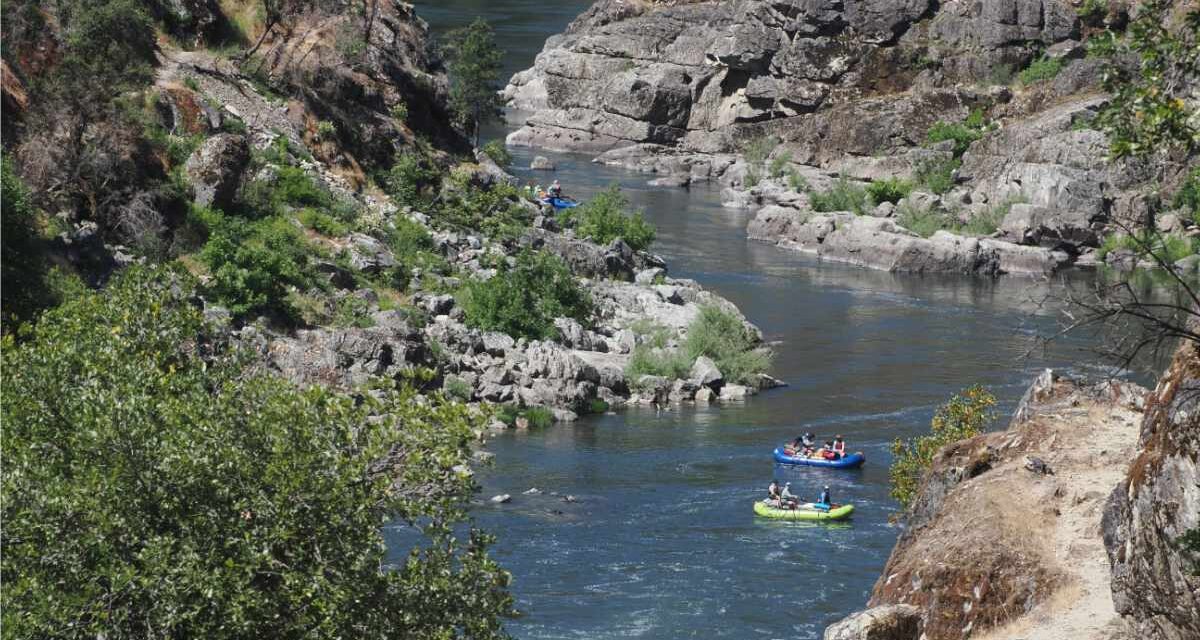
This list is built for warm weather rafting, the kind of trip where the water is cold but the air isn’t, and you’re in shorts and sun gear rather than a wetsuit. Our outfitter’s list for our overnight trip on the Rogue River got us started, but it didn’t include a few items we were glad we packed. We’ve tried to make this simple with three lists and explanations to follow:
What to Wear on the Raft
So, our gear for the raft included what we wore and what we needed to make ourselves comfortable for the day (like water bottle, sunscreen, a towel, etc.). Our situation was a tad more complicated because we hiked so brought a larger dry bag for hiking gear that had to be packed separately from our overnight duffle.
Raft Day Checklist (What You Wear and Carry)
☐ Quick-dry shorts
☐ Sun hoody
☐ Sports bra
☐ Quick-dry underwear
☐ Wide-brim sun hat
☐ Sunglasses with a retainer strap
☐ Closed-toe water shoes (or sandals & sunscreened feet)
☐ Waterproof phone case
☐ Dry bag for camera, lenses
☐ Daypack (or backpack with hiking gear as listed below)
☐ Lightweight camp towel
☐ Coil hair ties
☐ Sunscreen
☐ Insect repellent
☐ Insulated water bottle
☐ Bandana or buff
Why Our Raft Packing List Does Not Include a Swimsuit
It seem odd that we chose not to include a swimsuit on our list. Funny enough, we each packed swimwear and never wore a single piece. Partly, this is because we both sunburn easily, more so the older we get. Most swimsuits offer little in the way of protection, especially when sitting on a raft in the full sun. Second, we spent half of our day hiking. Hiking in swimwear is the worst. And trying to change from hiking clothes into swimsuits in between activities just didn’t seem like a great idea.
Our solution? A shorts-and-sun-hoody combo of lightweight, quick dry materials. The essential piece: quick-dry underwear. We wear ExOfficio, and it’s non-negotiable for a trip like this. Regular cotton underwear staying wet for hours under shorts is a recipe for chafing, and nobody wants an itchy butt on a rafting trip. Pack a pair for each day. We were able to fully immerse in the river and continue the rest of the day in comfort.
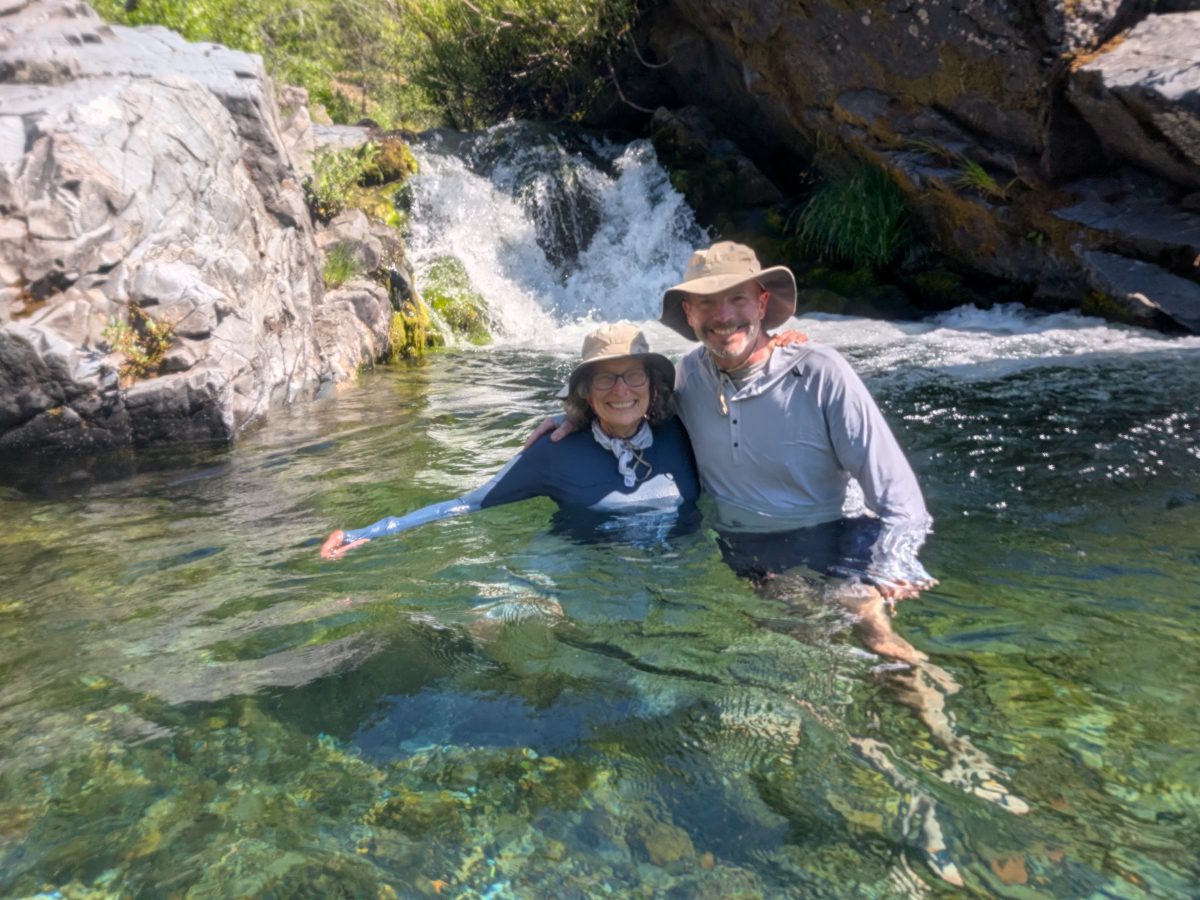
I chose to wear my quick dry Prana shorts that I have owned for about five years or more (no longer on the market). The length was really important, covering my upper thighs while sitting on the raft, preventing them from getting sunburned.
The sunhoody has become a standard for all of our outdoor activities. And we weren’t alone. Many of our fellow rafters were hooded up. Mine is a Mountain Hardwear sun hoody I’ve had for three years and still love, worn over a great sports bra (more on that below). Scott tried the Ketl 4-button Sunshirt and loved his too. In his words, “I’ve never been a fan of sunshirts but decided to try this out. I loved it! Super light, great hood, and did a super job protecting me from the sun on the river.”
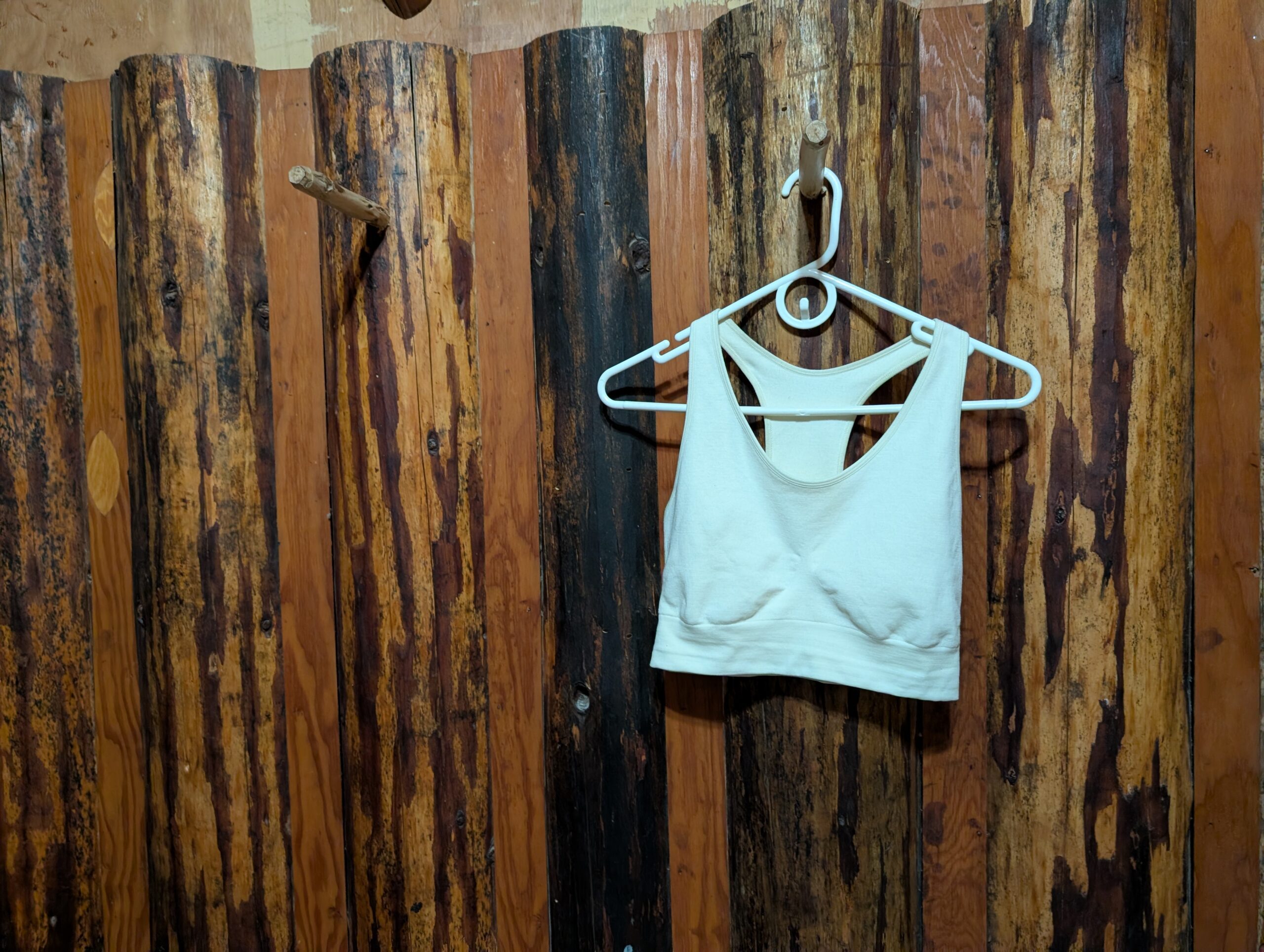
The bra underneath is where I made my biggest mistake. The first day, I wore a merino wool bra, and once it got wet, I smelled like a wet dog (or a wet merino sheep) for the rest of the day. It was very noticeable by the time I stripped down to shower that night. So, same rule for the bra as everything else on this list: synthetic, not merino, especially if it’s going to get wet. My favorite go-to sports bra brand is Handful.
Other Rafting Items
Closed-toe water shoes over open-toed are a great choice. Scott wore open-toed sandals on day one and got sunburned feet for it. However, he loved the sandal: Bedrock Cairn Evo Sandals, “Not having a strap across the top of my foot was so much more comfortable. If you get a pair, know that there are three different sole thicknesses. I got the thickest and appreciated the support.”
If you go open-toe, just don’t skip sunscreen on the tops of your feet, and if you burn easily (which only gets truer with age), closed-toe is the safer call. I upgraded my water sandals this year from Vibram to Keen and swear by my Newport H2 Sandals (as I write this, they are on sale and about to be discontinued on REI).
The waterproof phone cases turned out to be one of our favorite purchases. It let us film rapids and take photos without risking the camera gear. We used the JOTO Universal Waterproof Pouch Case. One caution with the phone pouch: the clear plastic traps heat, so keep the case out of direct sun when you’re not using it. I learned the hard way and just as we were headed into Blossom Bar, my phone turned itself off from heat exhaustion. Better it than me. But not fun.
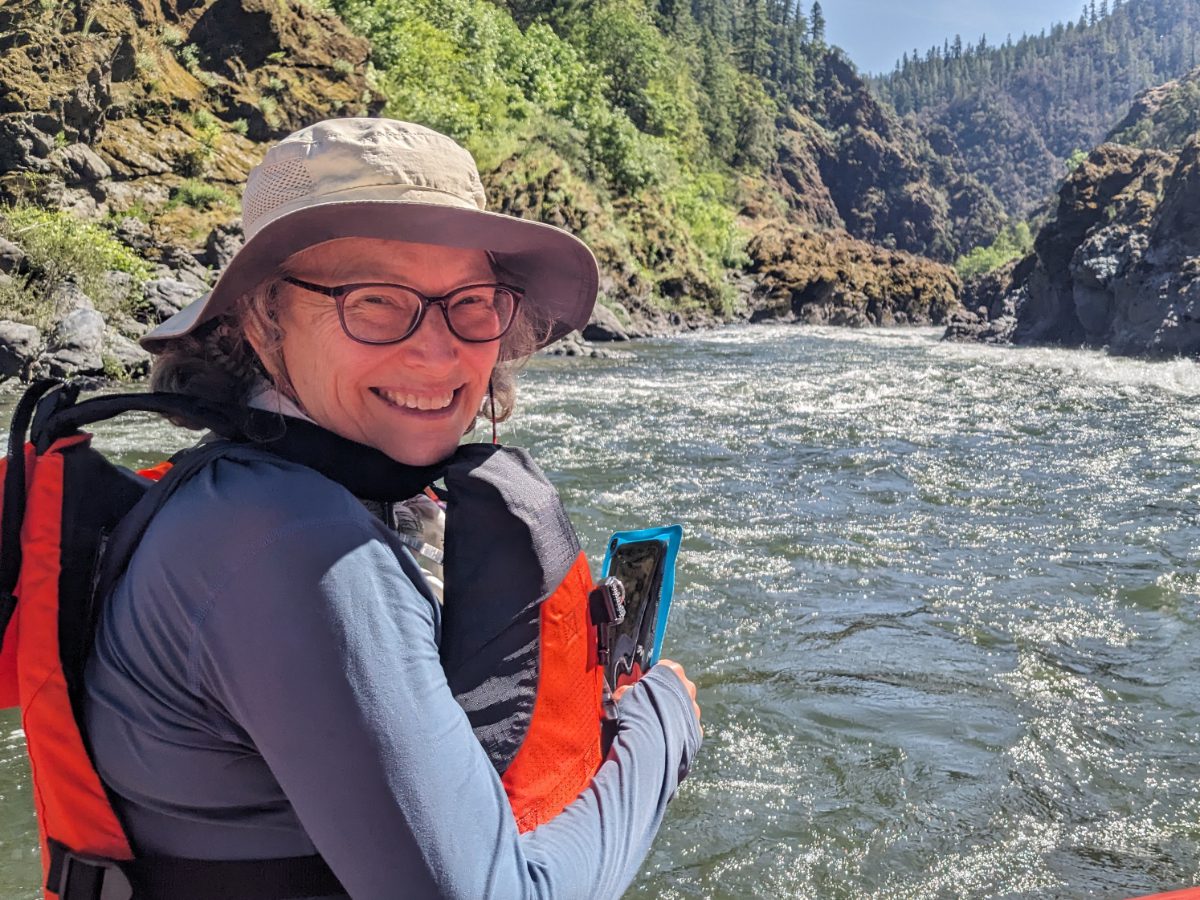
For the hat, sometimes old school wins. We both wore the Columbia Bora Bora Booney II. Scott notes “this hat is inexpensive, light, and has a really wide brim. I didn’t need or want anything more.” I agree whole-heartedly.
A lightweight camp towel earned its spot in the dry bag. We used ours to sit on, to wipe off sandy feet, and to dry off after getting in the water. And I insist on these coiled hair ties for those of you with longer hair, especially if its curly. My sunglasses are prescription, so losing them overboard wasn’t an option. A retainer strap around my neck meant one less thing to think about if I ended up in the water. For insect repellent, which is more useful for lunch stops than on the raft, we recommend Picaridin rather than Deet.
What to Pack in Your Overnight Duffle
So a lot of your gear is going to end up in your overnight duffle. During the day, this gear lives inside a drybag provided by the rafting company. And while you probably could gain access to it, it might not be easy. It might be on a raft that is already downriver. It could be at the bottom of the pile of other duffles. You get my drift. If you need something during the day, it should go in your day pack or your dry bag. Additionally, if you are camping rather than staying in a lodge, you will likely bring some additional gear, like a sleeping bag.
Overnight Duffle Checklist
☐ Soft-sided duffle bag
☐ Evening/camp clothes
☐ Fleece or warm layer
☐ Sleepwear
☐ Camp shoes
☐ Toiletries kit (toothbrush, toothpaste, deodorant, etc.)
☐ Pill organizer for any medications
I used a Columbia 55L duffle that is no longer in stock (check out this affordable REI alternative) and it was the right size for an overnight. Scott went a different direction with the Brown Buffalo Duffalo. Here’s his mini review on this comped bag:
“I’m not a real big duffle bag user, but I made a place for the Duffalo on this trip. It’s super well built with great organization inside and holds a ton of stuff. Just the thing for a trip full of surprises.”
Any duffle would probably work, just make sure it’s soft-sided enough to fit inside the outfitter’s dry bags.
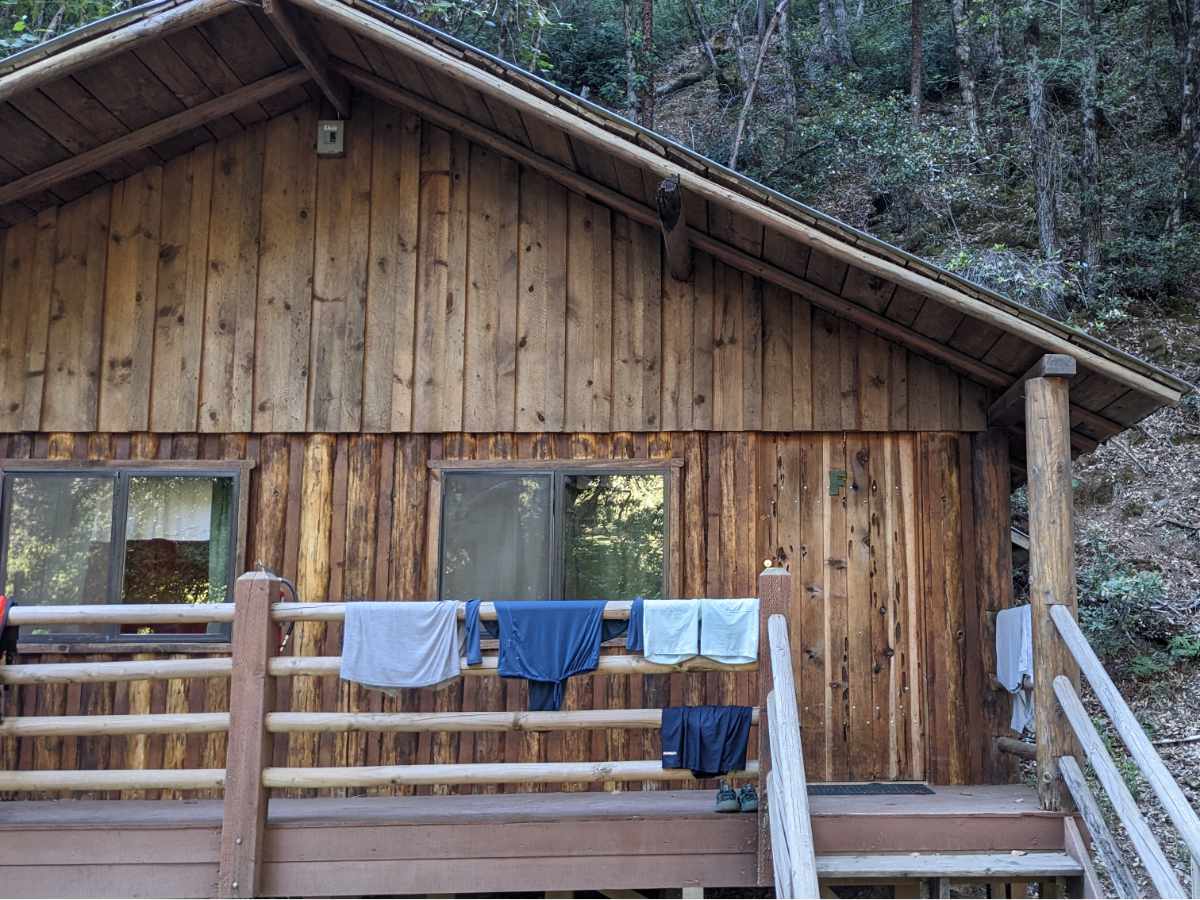
The rest of the items you probably already own and have your favorites. Remember, you’ll be wet and looking forward to your most comfortable, dry clothes for hanging out at the lodge. This means sitting inside playing cards, hanging out on the bench watching the stars, or walking the local trails looking for wildlife. Pack what fits your style best. I do highly recommend the fleece for everyone. Weather can change rapidly along most rivers and its best to prepare for a little cold, even in mid-summer.
What to Pack in Your Daypack
Your daypack might be super light if you are not hiking. In fact, you may not want one at all. But if you decide to hike part of trail along the Rogue or other place you are rafting, you’ll want a few essentials.
Day Pack for Hiking Add-On Checklist
☐ Water-resistant daypack
☐ Trekking poles
☐ Hiking boots
☐ Hiking socks
☐ Water bottle
☐ Bug dope
☐ Tecnu detox wipes
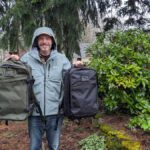
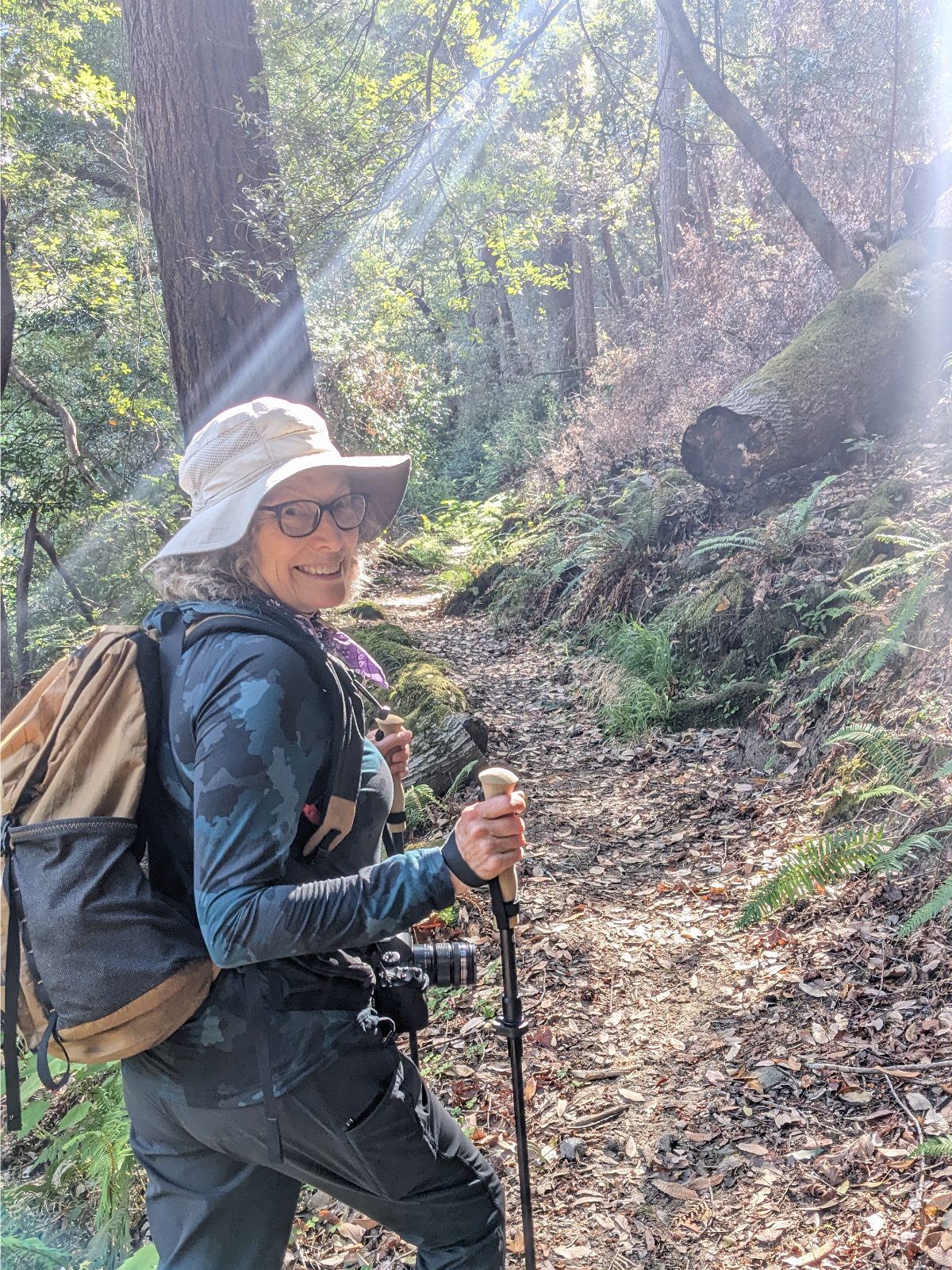
For a daypack, I brought my Six Moon Design Wy’east Backpack, which was water-resistant enough to keep gear dry when it rode on top of other gear in the raft (not at my feet where water roamed free). It is also light and roomy enough to carry on the trail. See the full review here.
Scott brought his Gossamer Gear AeroJet Backpack, the same one he reviewed as a carry-on favorite. I think he only loves it more, “This trip proved the AeroJet isn’t just an airport pack. Very comfortable on the trail, and the water-resistant material kept everything dry on the raft.”
I used my trusty REI poles. Scott tested the new Gossamer Gear FT3 Hiking Poles and became a convert:
“Angie has tried to get me to use hiking poles for years and I’ve always said no. Gossamer Gear set us a pair to try out, so I figured why not. I was shocked at how much of a difference they made. I hiked faster and felt much better after a five mile day than I usually do. At 6 oz per pole, they were all help and no drag.”
While I also tried the Gossamer Gear poles, they didn’t collapse short enough for my frame. They are definitely designed for people taller than 5’4″.
For boots, Scott took a gamble on a pair of brand new Keen Zionic NXT Waterproof Hiking Boots. He spent a sparse week breaking them in.
“I knew I needed a lightweight boot but couldn’t make up my mind. The week before the trip, I finally bought these and decided to risk a break-in period on the trip. They turned out great. No hotspots. Super light and grippy, and they handled the rocks, sand, and gravel like a champ.”
He paired them with Wright Double Layer Anti-Blister Socks: “These got a little hot for me on the trail but performed really well. Just remember to get the two layers aligned after the wash or putting them on can be a bit awkward.” Angie still swears by Darn Tough.
So, you might wonder why we decided not to hike in shorts and Keens. Two reasons: ticks and poison oak.
For the former, we followed our own advice for avoiding mosquito bites (and other nasty insects). And Orange Torpedo, our outfitter, recommended Tecnu for the latter. We had never heard of this skin cleanser but now hike with the cleansing wipes in our backpacks. If we owned a dog, we’d probably invest in a large bottle as it works to de-stink after getting sprayed by skunks. It’s also great for removing sticky forest gunk, like pine sap and tar. If it’s too late and you are breaking out from contact, they also have a remedy for that.
If you’ve made it this far…
If you’ve read this far in the article, we really appreciate it! Hopefully these tips will come in handy for your rafting trip and, if you choose to purchase something from the links we provide, we are grateful. At no extra cost to you, the affiliate partnerships help defray the cost of running this website.
Happy Rafting!