

First published on April 9, 2026 • Last updated on April 9, 2026
This page may contain affiliate links; if you purchase through them,
we may receive a small commission at no extra cost to you.
If you’re planning an international trip, you’ve probably asked yourself:
Do I need to buy a SIM card when I land?
For years, that was the default advice. Find a kiosk at the airport, swap out your SIM, and hope everything works.
But that’s not what we do anymore.
After testing different options on multiple trips—including in rural Peru—we’ve found a simpler, more reliable way to stay connected.
The Old Way: Buying a Local SIM Card
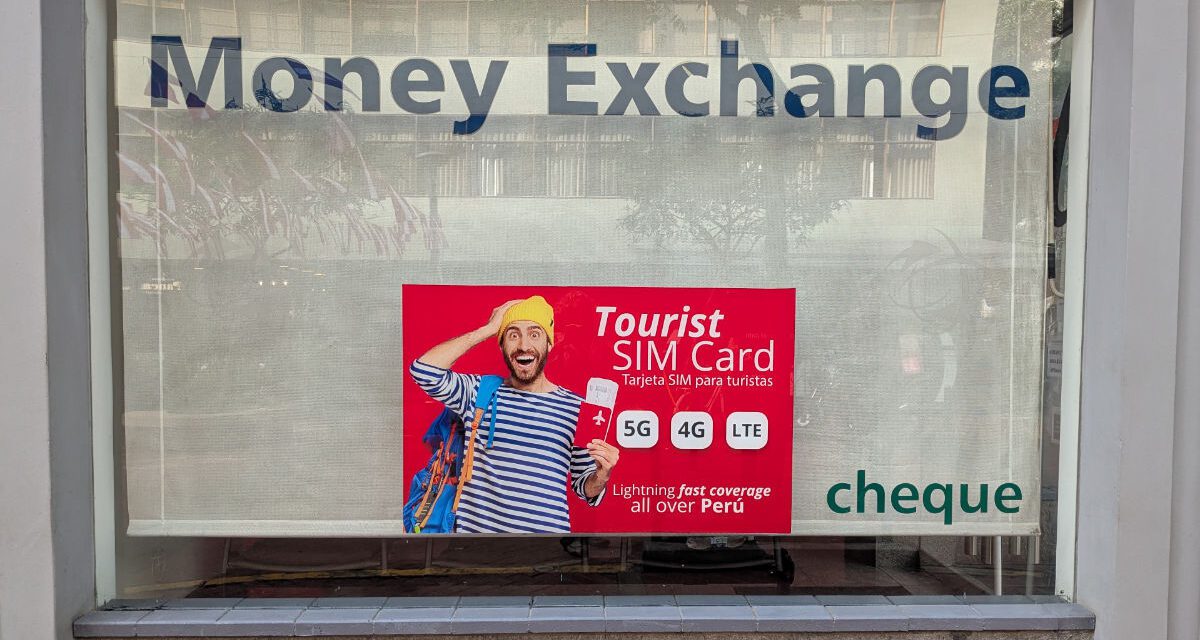
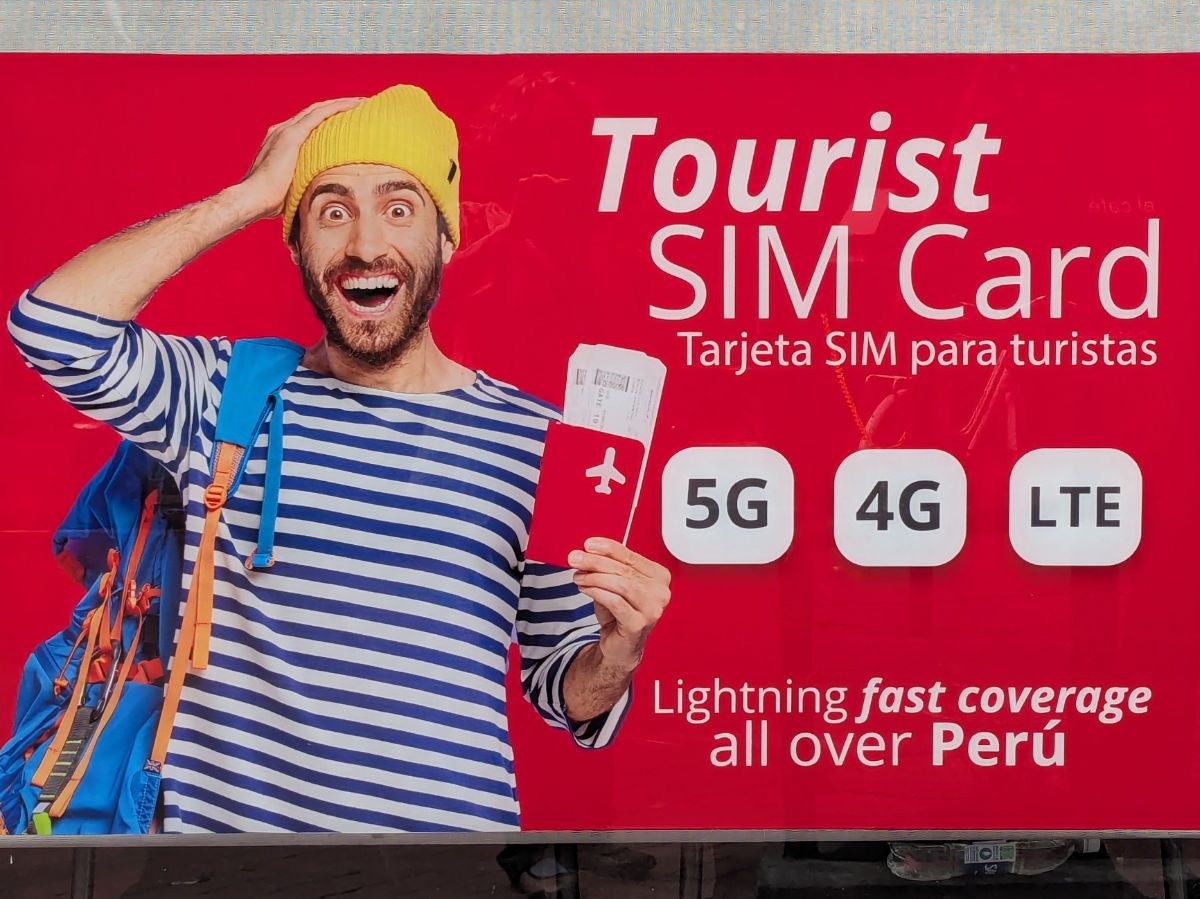
Buying a local SIM can work, but it comes with friction:
- You have to find a shop (often after a long flight)
- You may need to show ID or deal with language barriers
- You physically swap out your SIM card (and keep track of your original)
- Your phone number changes
It’s doable. We’ve done it.
But it’s not as seamless as it used to be—especially when there’s a better option
What We Do Instead: Use an eSIM
Instead of buying a physical SIM card, we now use an eSIM.
An eSIM is a digital SIM that you install on your phone before your trip. No swapping cards, no airport errands.
If your phone supports it (most newer phones do), you can:
- Download a data plan in advance
- Activate it when you arrive
- Stay connected immediately
Our Experience Using Holafly
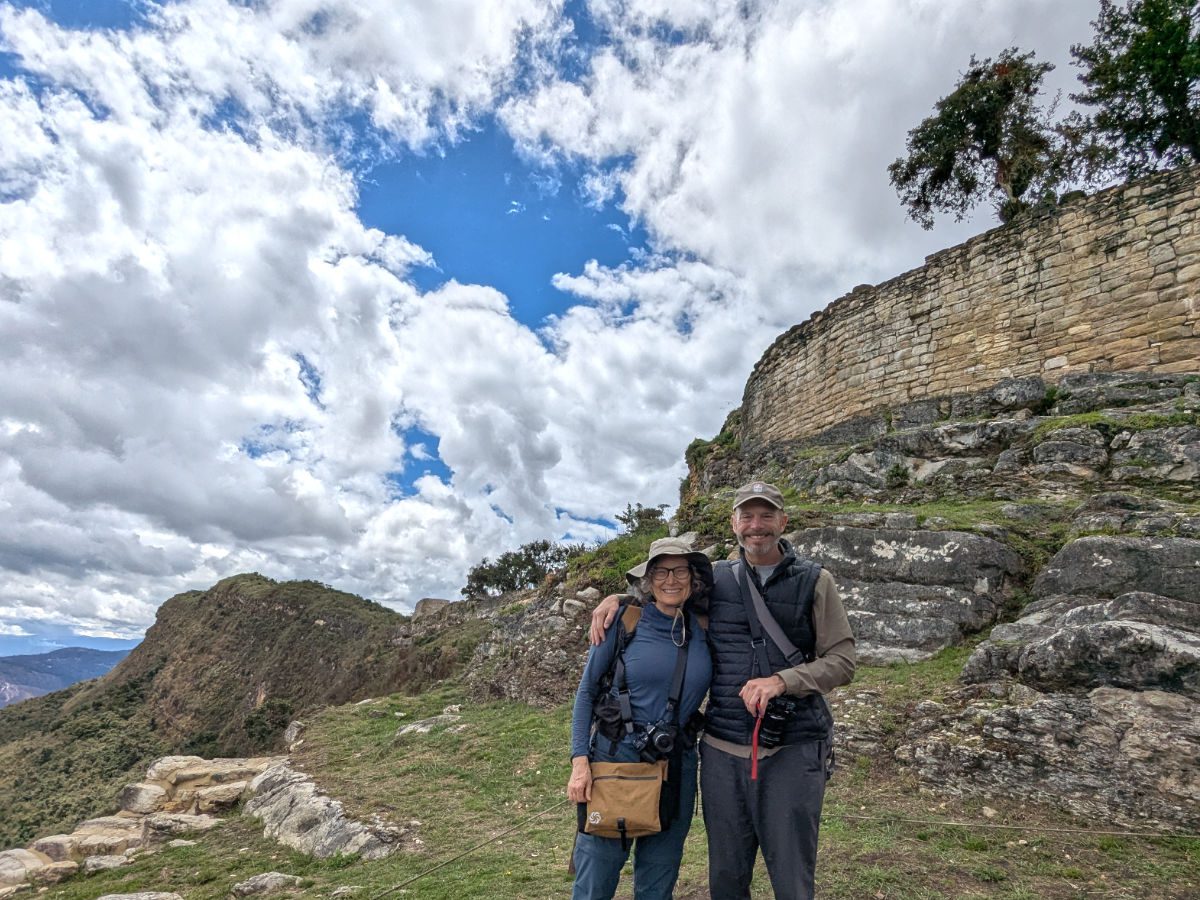
We’ve now used Holafly on multiple trips, including Ecuador and Peru.
The difference became especially clear in Peru.
Arriving in Chachapoyas
Before leaving home, Scott installed the eSIM on his phone.
When we landed in Chachapoyas, he turned it on—and was connected almost instantly. He had data before we even got off the plane. No searching for a SIM card. No waiting in line. No guessing which provider to choose.
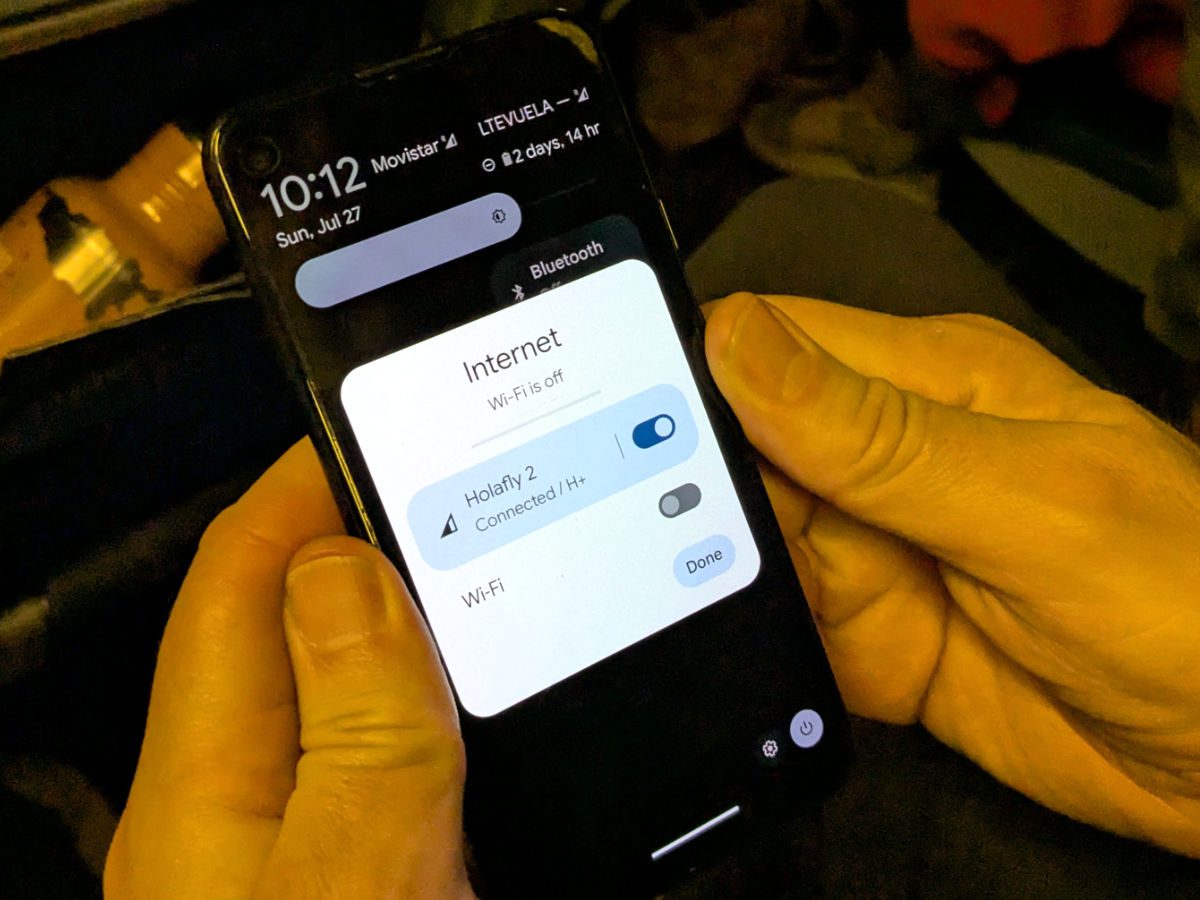
eSIM vs. Roaming: What We Noticed
On that same trip, I stuck with our U.S. carrier’s “unlimited international data.” It worked… but not particularly well.
Speed
The eSIM was simply faster.
Using Holafly, Scott had noticeably better performance for maps, messaging, and uploading photos. Mine lagged behind more often than I’d like to admit.
Network Access
This was the biggest difference.
Holafly could switch between local carriers depending on signal strength. My phone seemed locked to a single partner network.
In rural areas, that flexibility mattered. It often meant Scott stayed connected when I didn’t.
Why This Matters (For Us, It’s Safety)
This isn’t just about convenience.
We travel with Global Rescue, which provides evacuation and emergency support. Their services rely on your ability to communicate—either through a data connection or a satellite phone.
Satellite phones work, but they’re expensive and not exactly practical for most trips.
An eSIM gives us a middle ground:
- More reliable access to data where coverage exists
- A far more affordable option than carrying a sat phone
It’s not a replacement for true emergency gear, but it’s a meaningful layer of connectivity.
Coverage
No service works where there’s no signal.
But when coverage did exist, Holafly made better use of it. That translated into more consistent access when we needed it most.

When You Still Might Want a SIM Card
There are a few situations where a physical SIM could still make sense:
- You need a local phone number
- You’re staying long-term in one country
- You’re managing local services that require a local carrier
For most short-term travelers with trips shorter than one month, though, those needs don’t come up.
When an eSIM Makes More Sense
An eSIM is usually the better option if:
- You want data immediately upon arrival
- You’re traveling through multiple regions or countries
- You rely on your phone for navigation, communication, or bookings
- You want to avoid the hassle of buying a SIM in-country
Setup Is Easier Than You Think
This was one of our biggest concerns at first.
It turned out to be simple:
- Purchase your plan online
- Follow the setup instructions (QR code or manual install)
- Activate when you arrive
Scott set everything up before departure, which made arrival completely seamless.

So, Do You Need to Buy a SIM Card When Traveling?
In most cases, no.
A physical SIM card used to be the best solution. Now, it’s often the more complicated one.
From our experience—especially in places like rural Peru—using an eSIM like Holafly has been easier, faster, and more reliable than relying on roaming or buying a SIM on arrival.
It’s also a tool we trust enough to partner with—not just recommend. We’ve used it across multiple trips, in both urban and rural areas, and continue to rely on it when staying connected matters.
If staying connected matters to you, it’s worth making the switch.