

First published on May 28, 2026 • Last updated on May 28, 2026
This page may contain affiliate links; if you purchase through them,
we may receive a small commission at no extra cost to you.
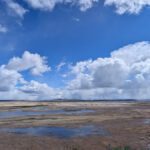
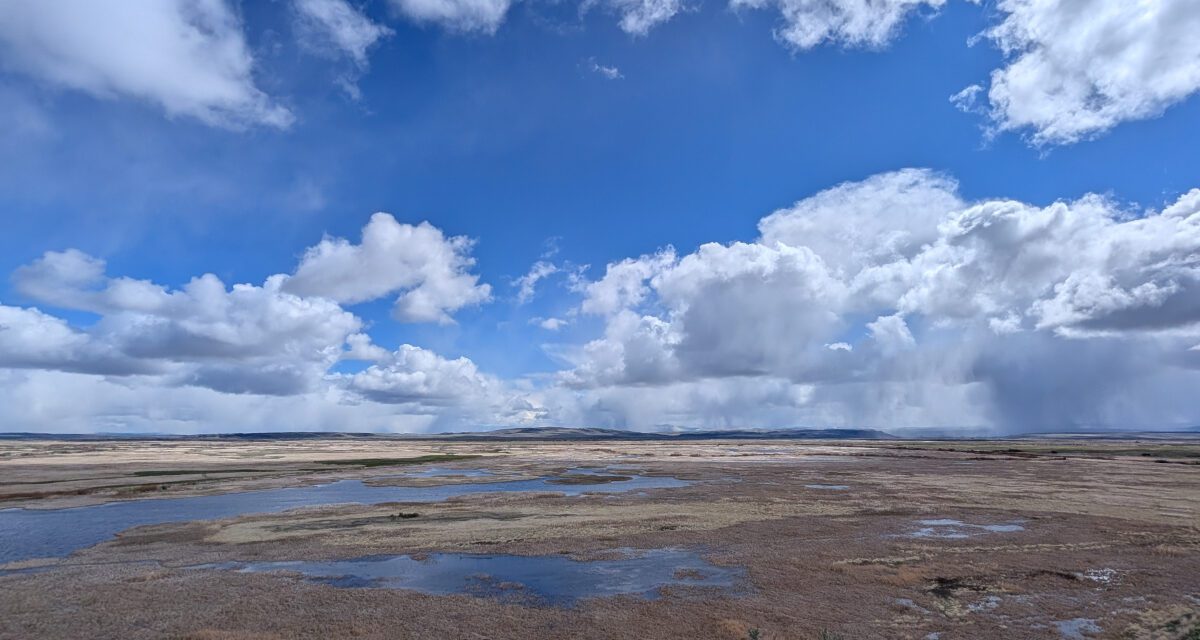
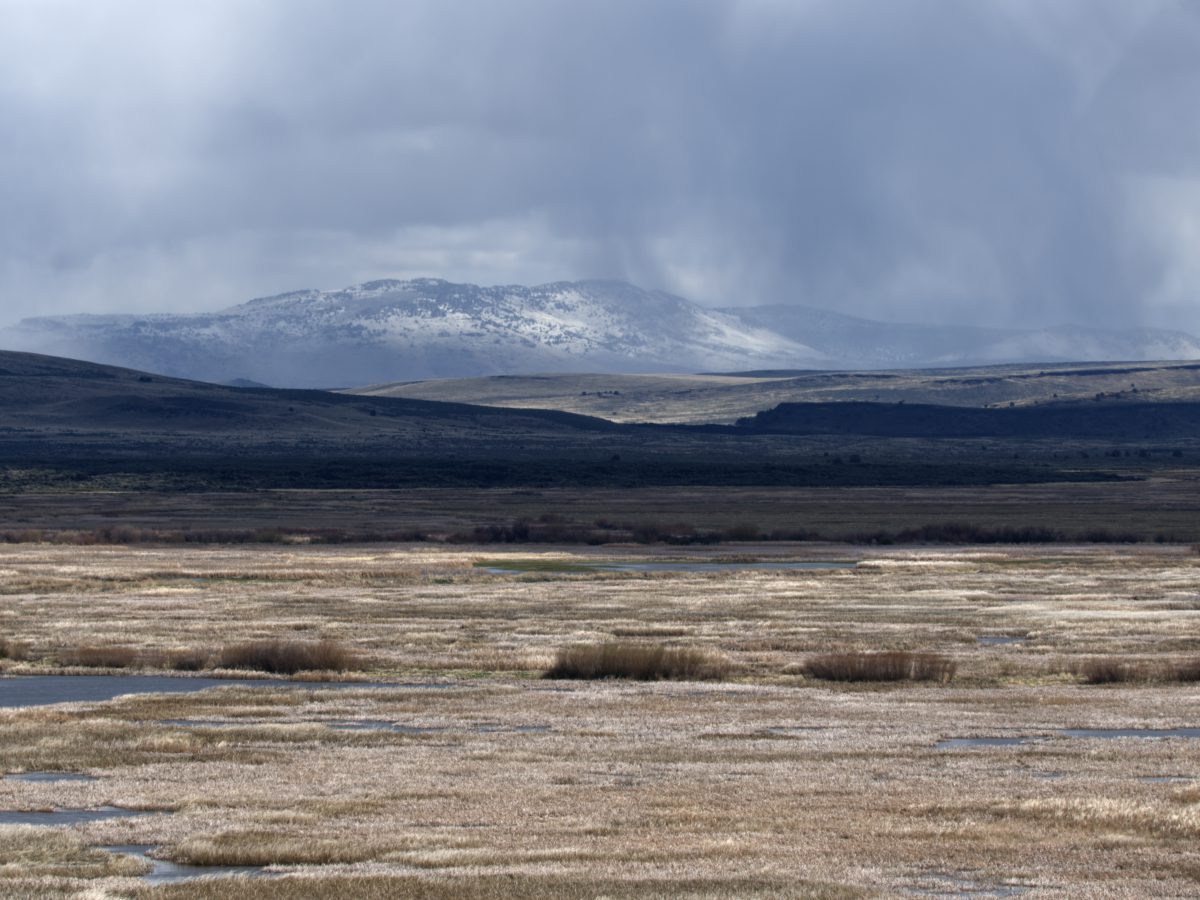
Although Montana proudly claims the title of “Big Sky Country,” southeastern Oregon makes a compelling argument for the nickname too. In spring, the landscape around Malheur National Wildlife Refuge stretches wide beneath dramatic skies, storm clouds hanging low over shimmering wetlands and golden grasses. One moment, sunlight turns the water brilliant blue. The next, snow sweeps across the marshes like winter refusing to loosen its grip.
It is a fitting backdrop for one of the West’s most beloved birding gatherings: the Harney County Migratory Bird Festival.
For first-time attendees, the festival can feel a little overwhelming. Events sell quickly, distances are long, and the birding is spread across a huge landscape that extends far beyond the refuge itself. But with a little planning and a willingness to embrace the unexpected, it can become the kind of trip you will talk about for a lifetime.
Why Birders Flock to Harney County
Harney County sits along the Pacific Flyway, one of North America’s major migratory bird corridors. Wetlands fed by snowmelt from the Steens Mountain create critical habitat for waterfowl, shorebirds, cranes, raptors, and songbirds.
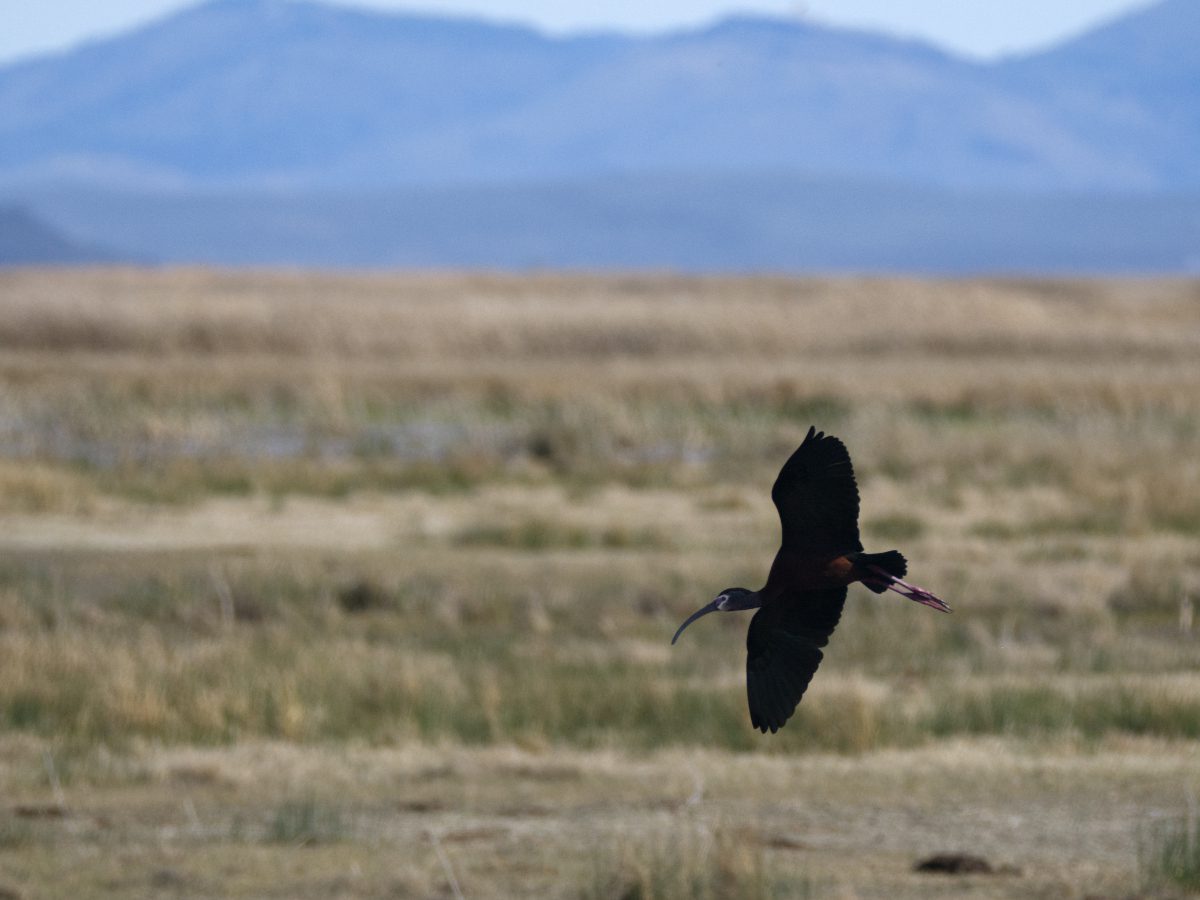
During the festival, many attendees arrive after long drives from Portland, Seattle, Northern California, and beyond, trading urban life to witness spring migration in full swing. Sandhill Cranes dance in flooded fields, White-faced Ibis swirl over marshes, and Bald Eagles patrol freshly plowed farmland in search of breakfast.
The region also carries an important conservation story.
At a festival talk titled How to Bird Harney County, naturalist Dan Scheffler recounted how plume hunters nearly wiped out Great Egrets in the area in the early 1900s. In 1908, conservationists William Finley and Herman Bohlman traveled to the marshes to document the devastation. They photographed nesting colonies and brought their images back to President Theodore Roosevelt, helping inspire federal protection for the refuge.
At the time, the lake system was a maze of tule islands, ideal nesting habitat in shallow water averaging only about a foot and a half deep.
Today, those wetlands continue to shift. In 1984, exceptionally high water levels froze and sheared away many of the tule islands, permanently altering parts of the lake ecosystem.
Sign Up Early — Really Early
If there is one lesson first-time attendees should know, it is this: register the moment sign-ups open.
This year, registration opened on February 14. By the time we logged in around 10 a.m., several coveted field trips were already full, including a five-mile birding hike we had hoped to join. Still, we were able to sign up for:
- Birding Harney County, an incredibly useful introductory talk
- An early morning Eagle Roost outing
- An outdoor sketching workshop
- Sunday brunch hosted by Friends of Malheur NWR
- 2-day Bird Passport challenge
The Birding Harney County talk, held first thing on Thursday afternoon, turned out to be one of the most valuable experiences of the festival. It included a map expanded our knowledge birding in the area by leaps and bounds. We gained context for the landscape itself, from local ranch roads to seasonal wetlands and raptor habitat. Best yet, we could see how different areas of prime birding could be connected by backroads.
If you attend only one educational event, make it this one.
Birding Beyond the Refuge
One of the best surprises of the festival is realizing how much birding happens outside the official refuge boundaries. Locals and guides repeatedly emphasized that “birding Harney County” is much broader than simply driving the refuge auto route or hanging out at the Visitor’s Center. A few memorable locations and tips from festival speakers and volunteers included:
Around Burns and Hines
- Greenhouse Lane for Sandhill Cranes (though we saw more on the Malheur NWR Auto Route)
- Hotchkiss Lane for wetlands and waterfowl, especially White-faced Ibis this year
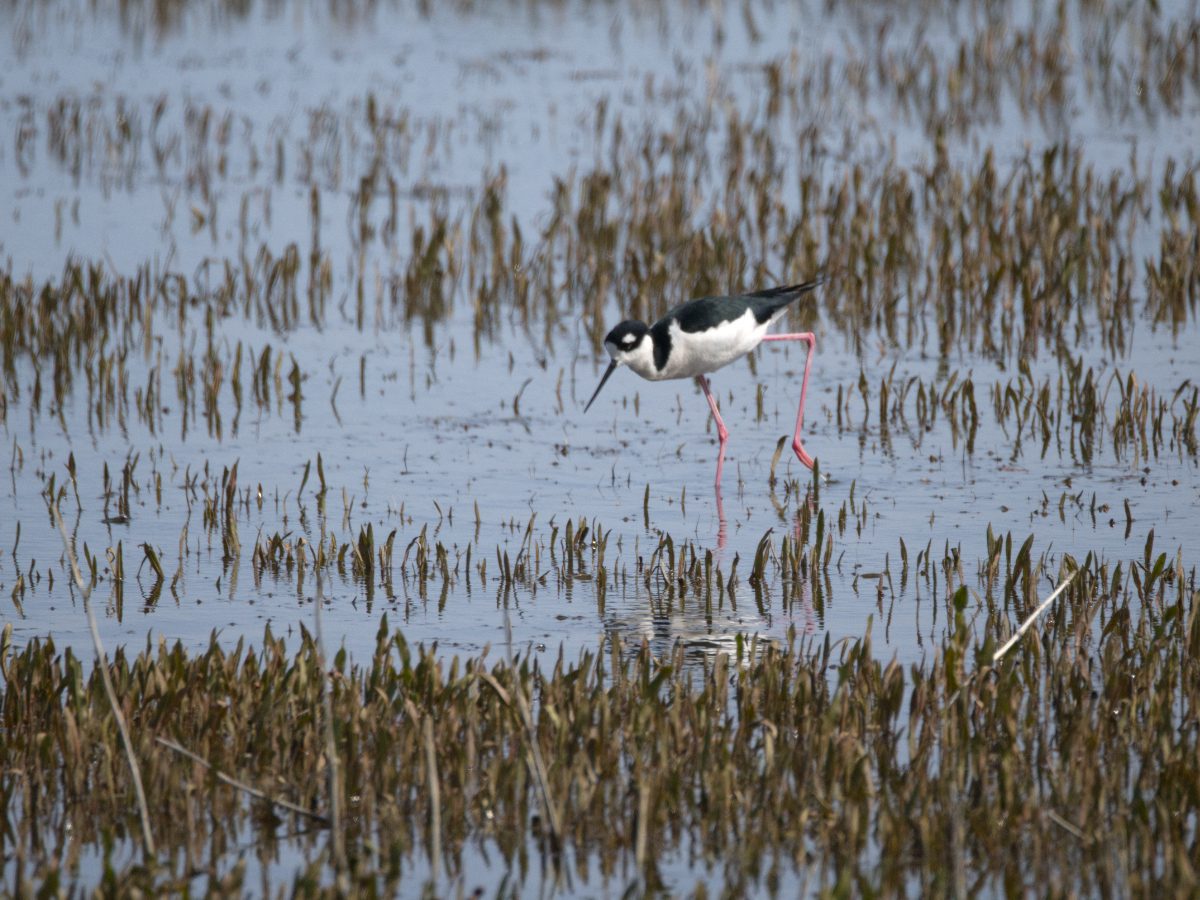
- Potter’s Marsh for American Avocets and Black-necked Stilts
- The sewage ponds along the Burns Nature Trail for hundreds of Northern Shovelers (and nesting White-crowned Sparrows)
Raptor Country Near Crane
The area around Crane is famous for raptors, especially later in June after harvest when ground squirrels become easy prey.
Locals casually referred to stretches of road as “Hawk Alley.”
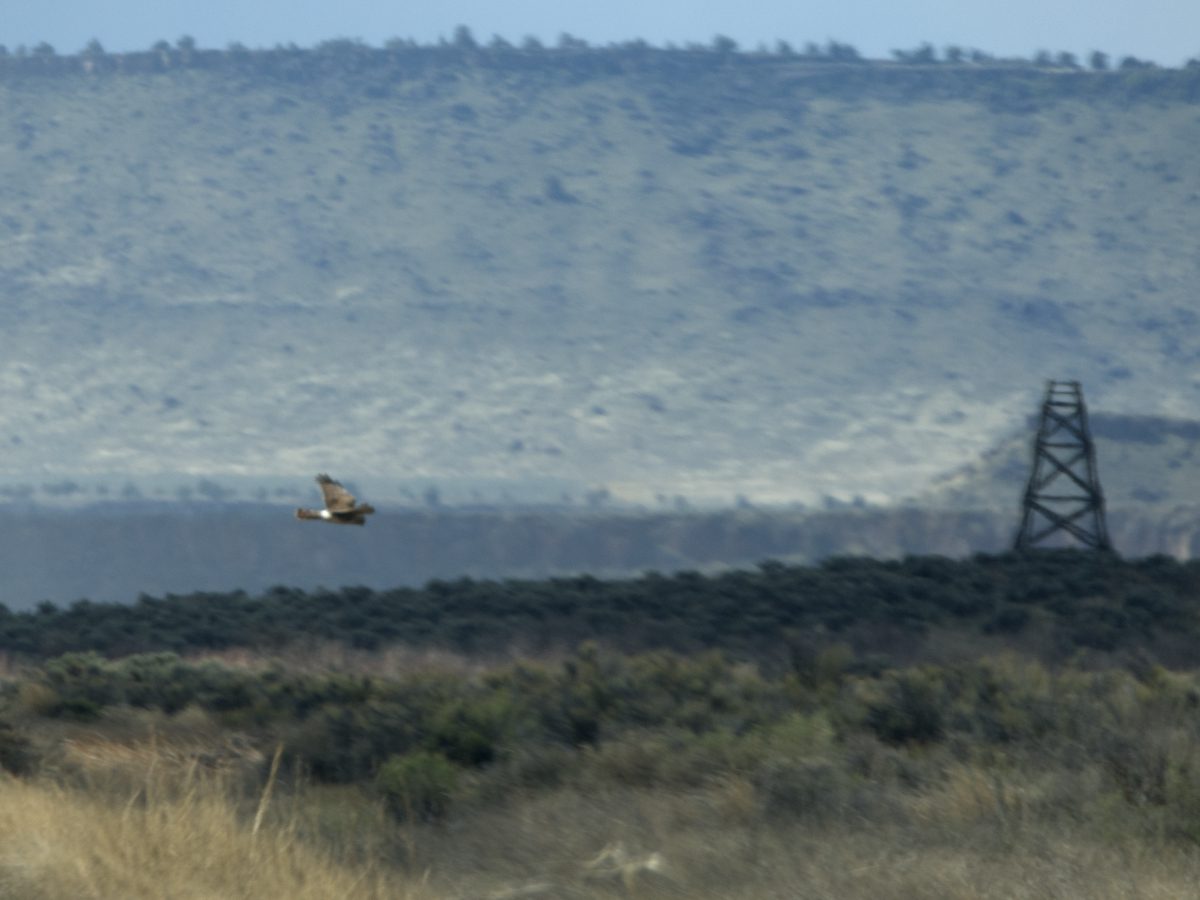
Ferruginous Hawks nest along Highway 205, and Golden Eagles are regularly spotted in the surrounding open country.
The Narrows
When Malheur Lake and Harney Lake connect during wet years, they form Oregon’s largest lake. This meeting point is called the Narrows.
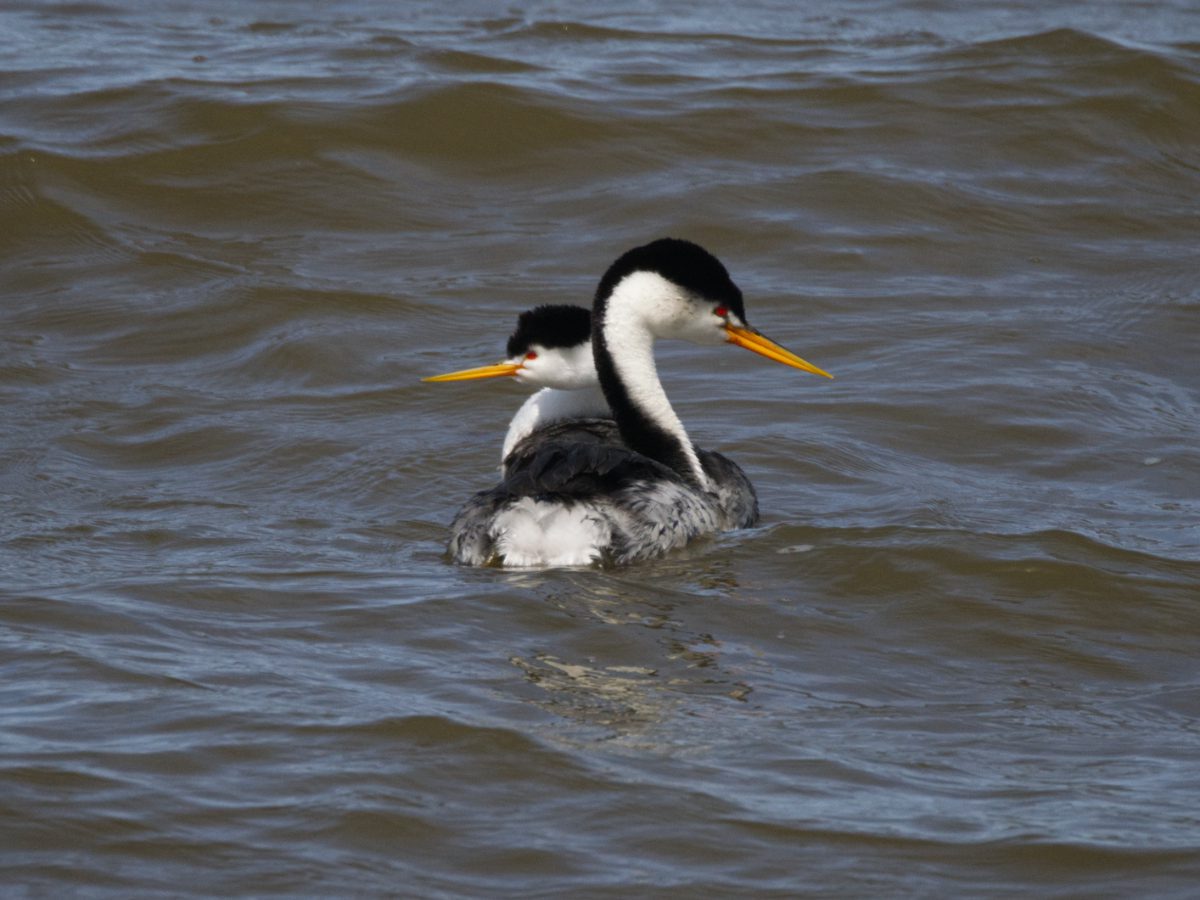
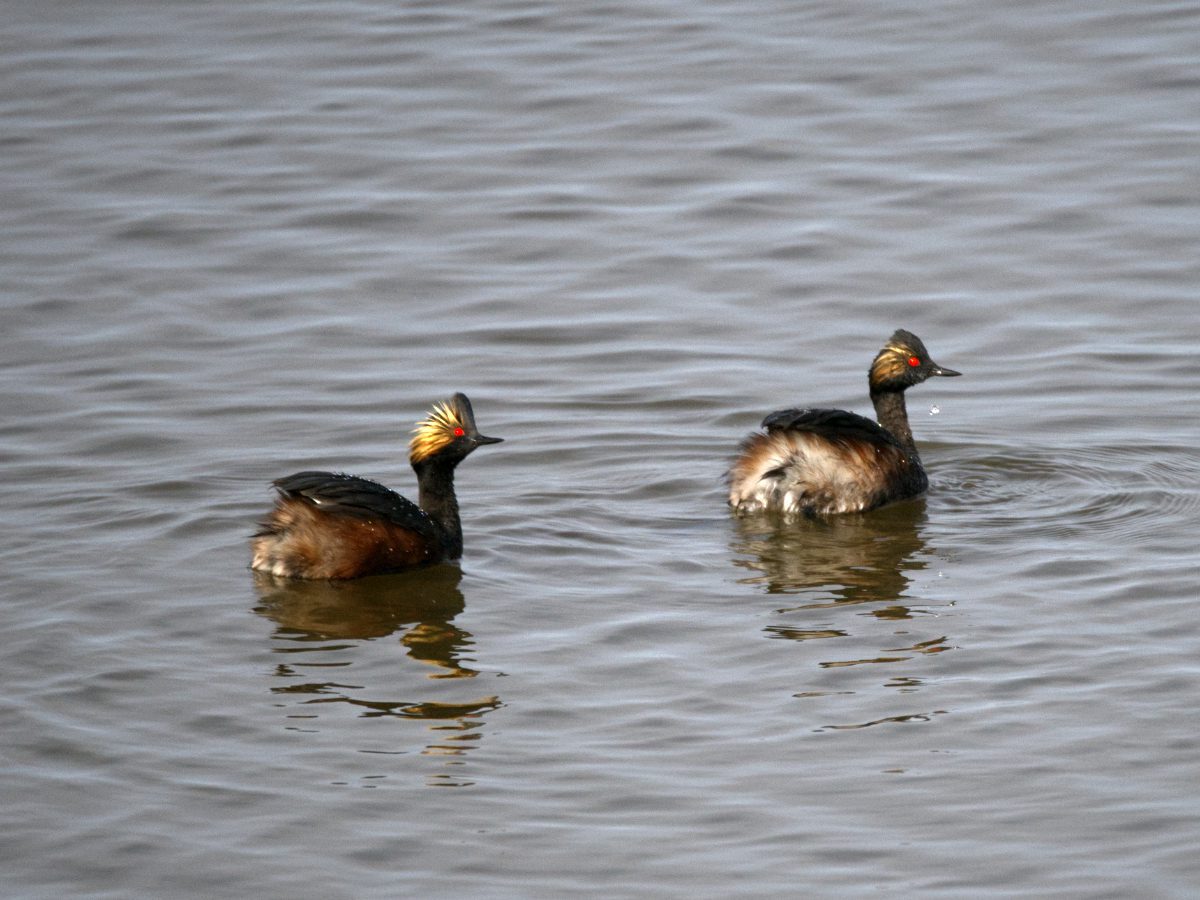
The Narrows becomes especially productive for grebes. On our trip, we saw hundreds of Eared Grebes and dozens of Western Grebes attempting to pair up, though none managed their famous mating dance on our multiple visits. Maybe next time.
On our visit last September, we camped at the nearby Narrows RV Park, a great option for those looking to stay closer to the wildlife refuge.
Other Frequently Mentioned Birding Stops
- Ruh Red Road for White Pelicans, Burrowing Owls, and pronghorn
- Foster Flats Road for sagebrush species like Sage Thrashers and Horned Larks
- Benson Pond for Forster’s Terns, Lewis’s Woodpeckers, and bitterns
- Page Springs for camping and canyon species like Rock Wrens and Canyon Wrens
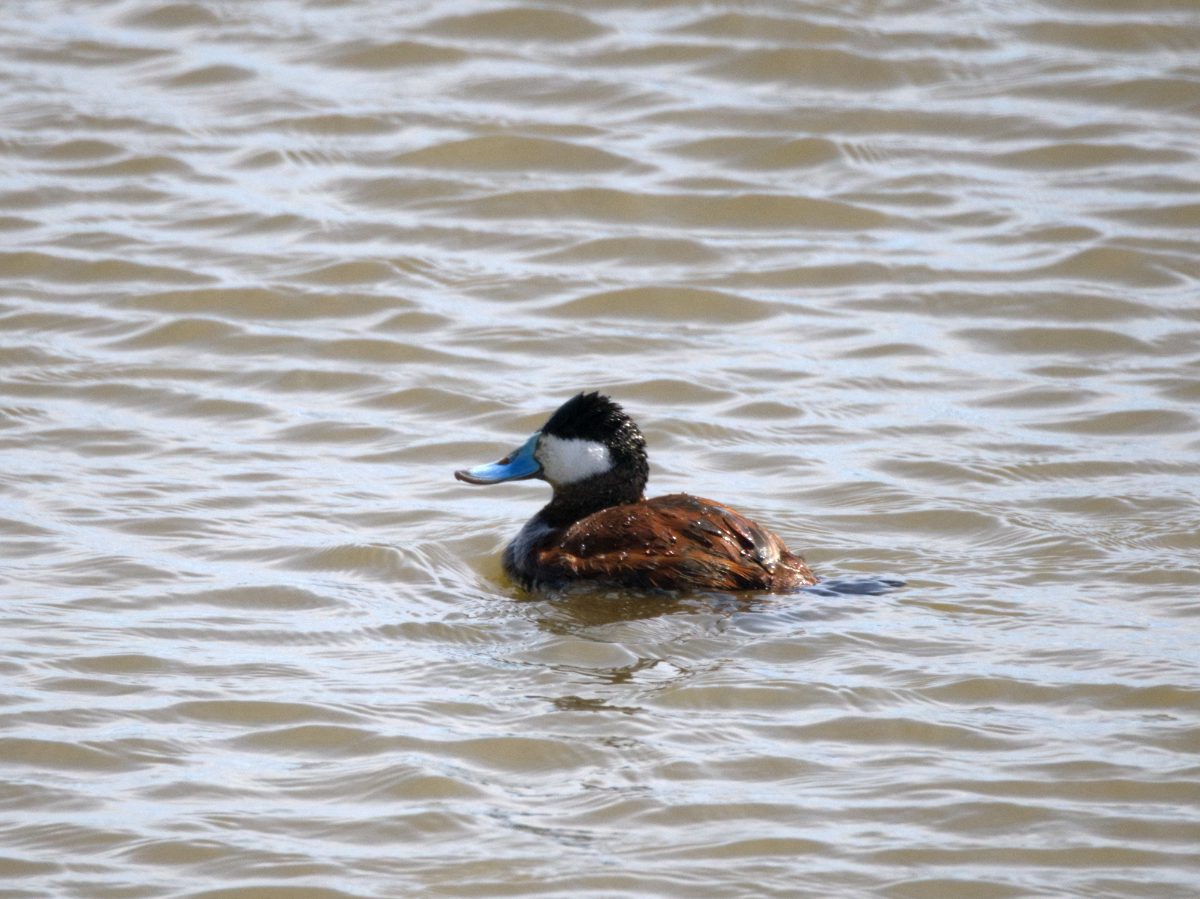
- Center Patrol Road for Black Terns, ibis, Canvasbacks, teal species, and Ruddy Ducks
One important takeaway: conditions change constantly. Water levels, road access, and bird concentrations shift year to year. That is why talking to volunteers and locals is invaluable.
The Best Moments Happened Between Destinations
Some of our favorite experiences during the festival were not necessarily the official events at all, but the quieter moments scattered between them.
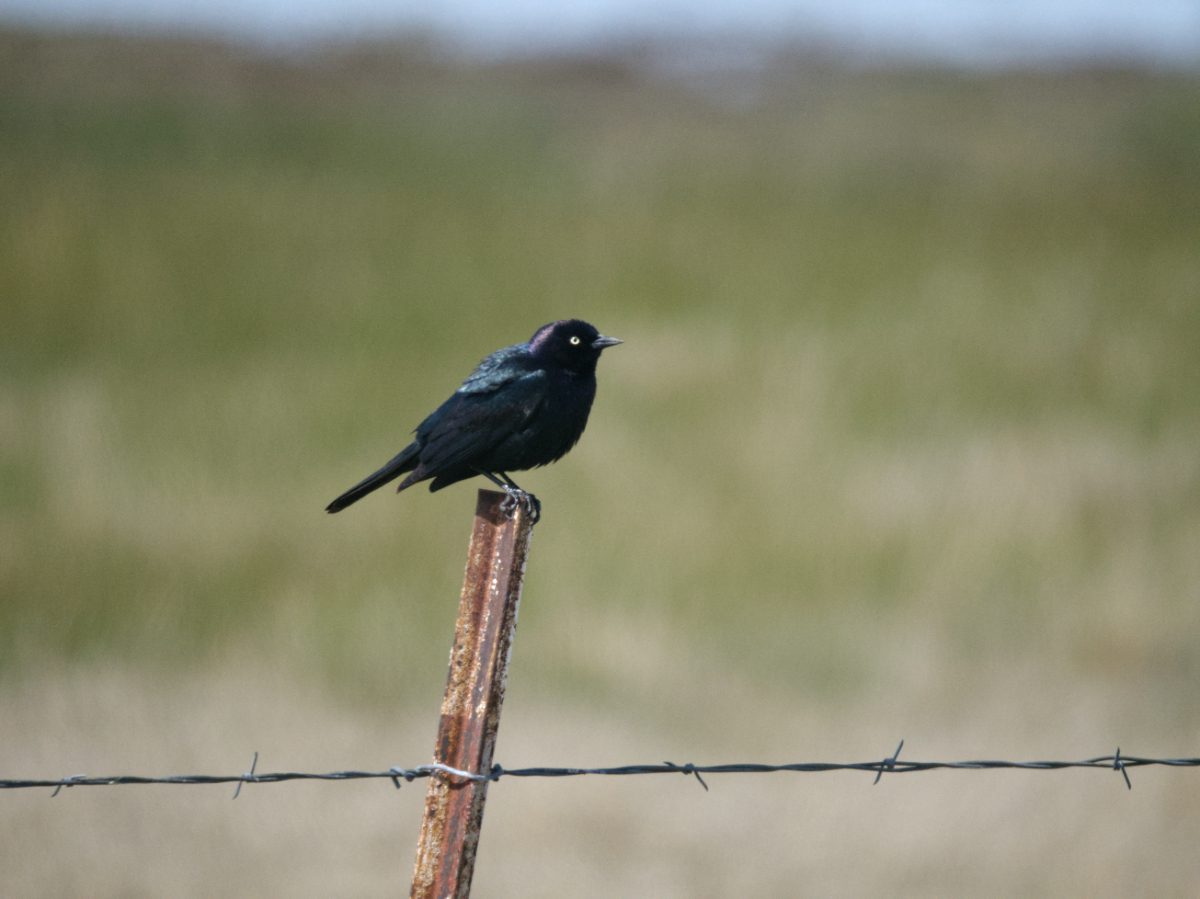
We spent long hours driving Harney County’s backroads, slowly scanning fence posts, irrigation lines, and marsh edges for movement. One afternoon, I photographed White-faced Ibis as I stood with socked feet on the passenger seat of our Subaru, leaning out the rooftop window, long lens aimed at hundreds of birds feeding in flooded farm fields.
We found Black-necked Stilts wading in a pond at the intersection of two backroads.
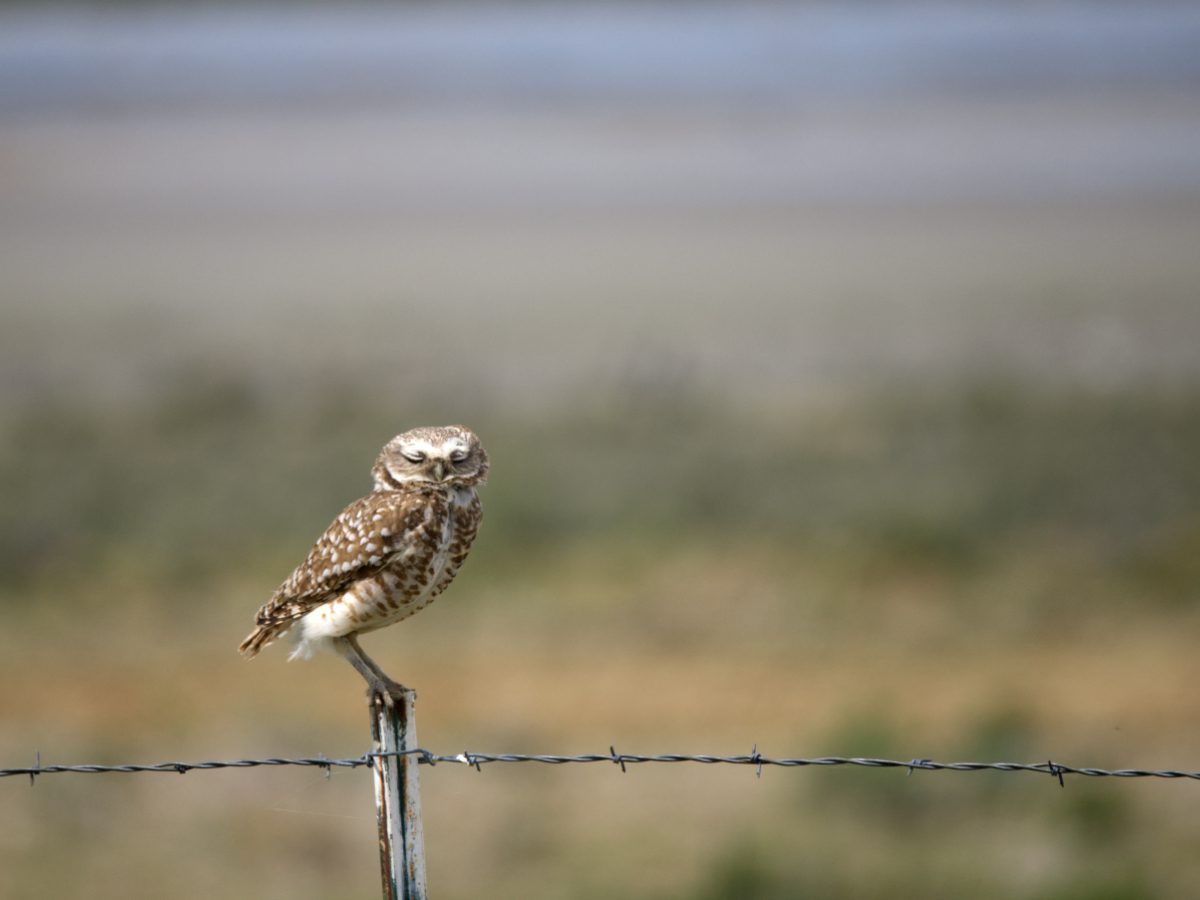
Fellow festival goers gave us coordinates to find Burrowing Owls, perched with plumage blowing in the often present wind.
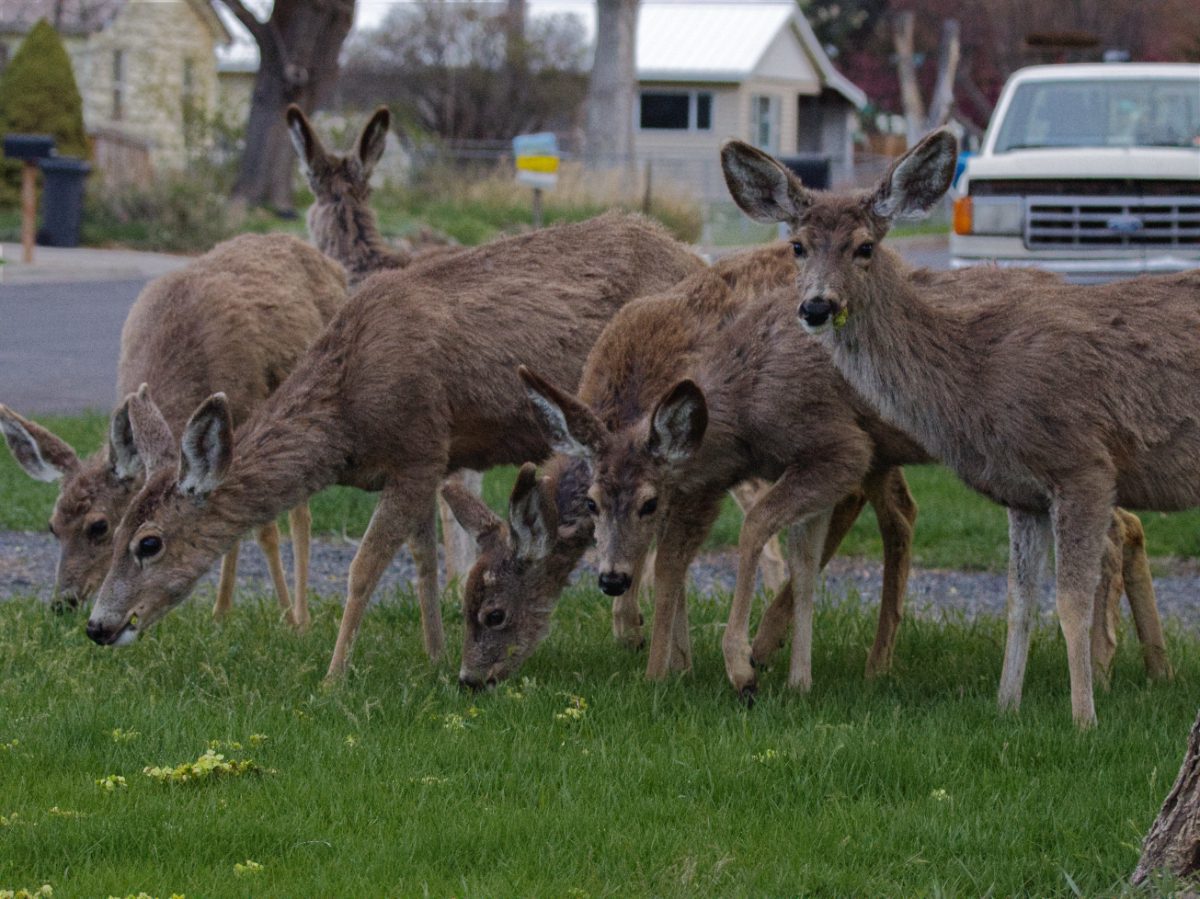
We saw dozens of California Quail and quite a few deer walking the streets of Hines in the early morning.
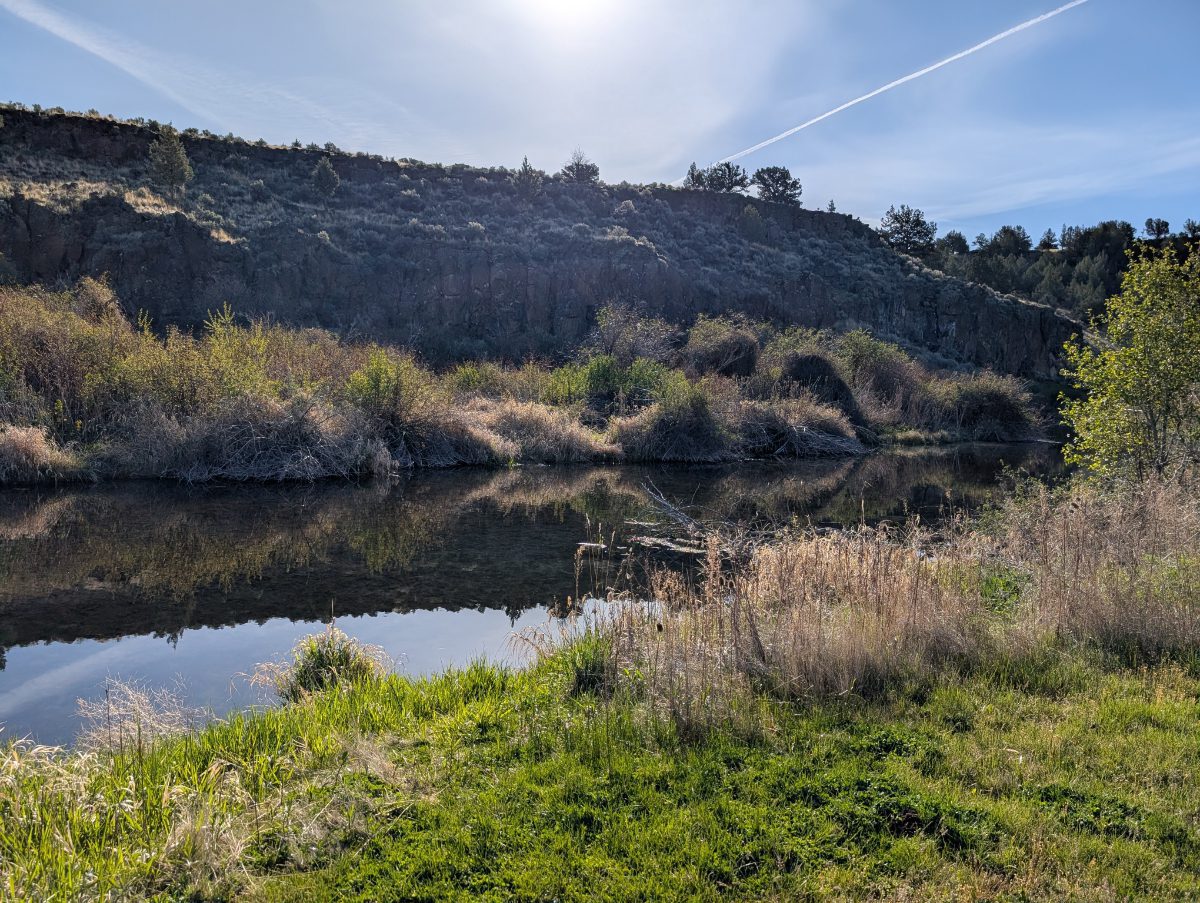
Often, the landscapes stole the show. The high desert is a paradox, both harsh and soft at the same time. Cloud studded skies meant we would stand in full sun one moment, and shaded bliss the next. The ever-changing light was a challenge as a photographer but provided such stunning opportunities that I could only be thankful.
A Learning Experience: Following the Eagles
One organized outing that ultimately shaped several of our favorite moments was the early morning Eagle Roost trip led by volunteers from Bird Alliance of Oregon.
We admittedly misunderstood the excursion at first. Thanks to years spent birding in South America, we imagined something more like visiting an Andean Cock-of-the-rock lek at dawn, birds waking communally, preening, and erupting into activity at sunrise. Instead, we parked near a café outside Crane before dawn and waited for eagles to move across the landscape.
It was bitterly cold, cold enough that many participants stayed in their vehicles with heaters running. The outing itself felt a little uneven at times, as our guide was leading the trip for the first time. Still, the morning unexpectedly opened the door to several of our favorite experiences of the entire festival.
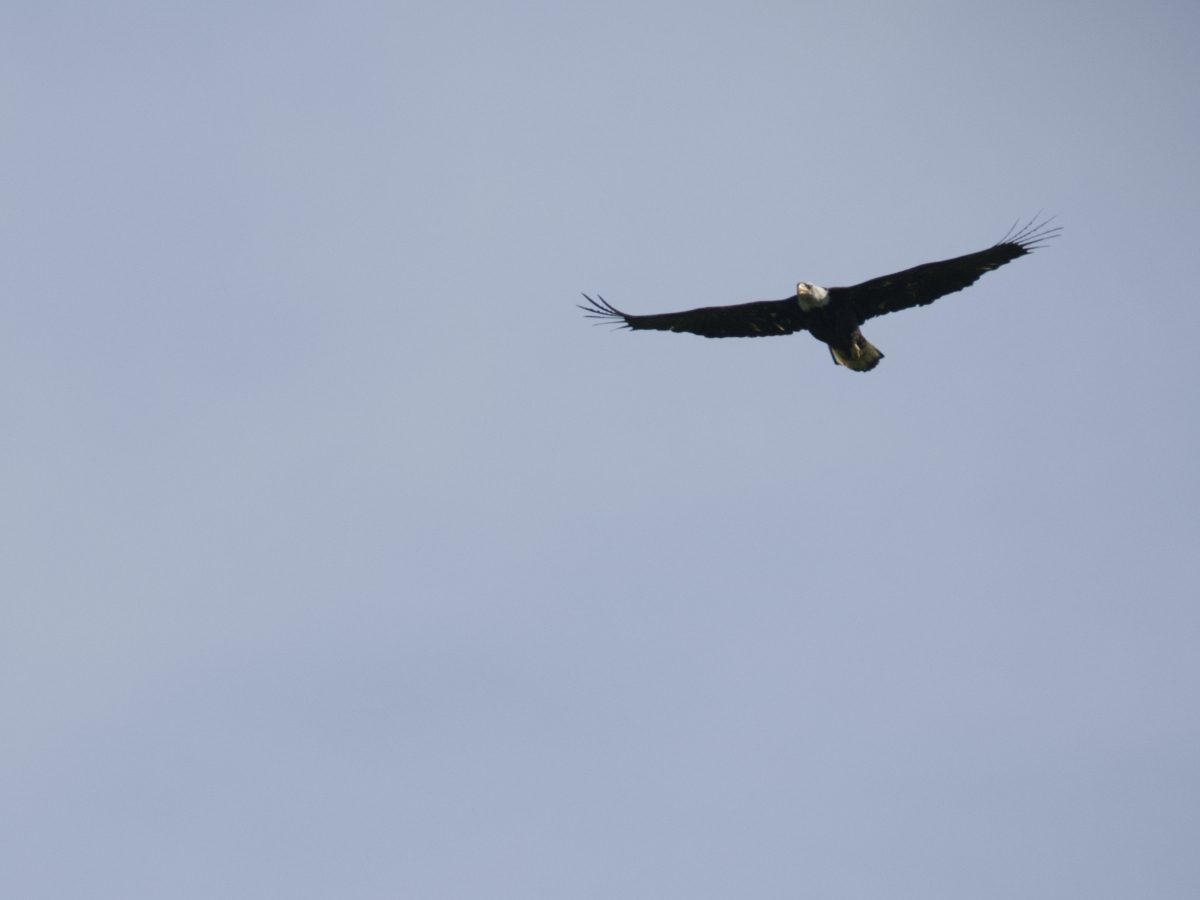
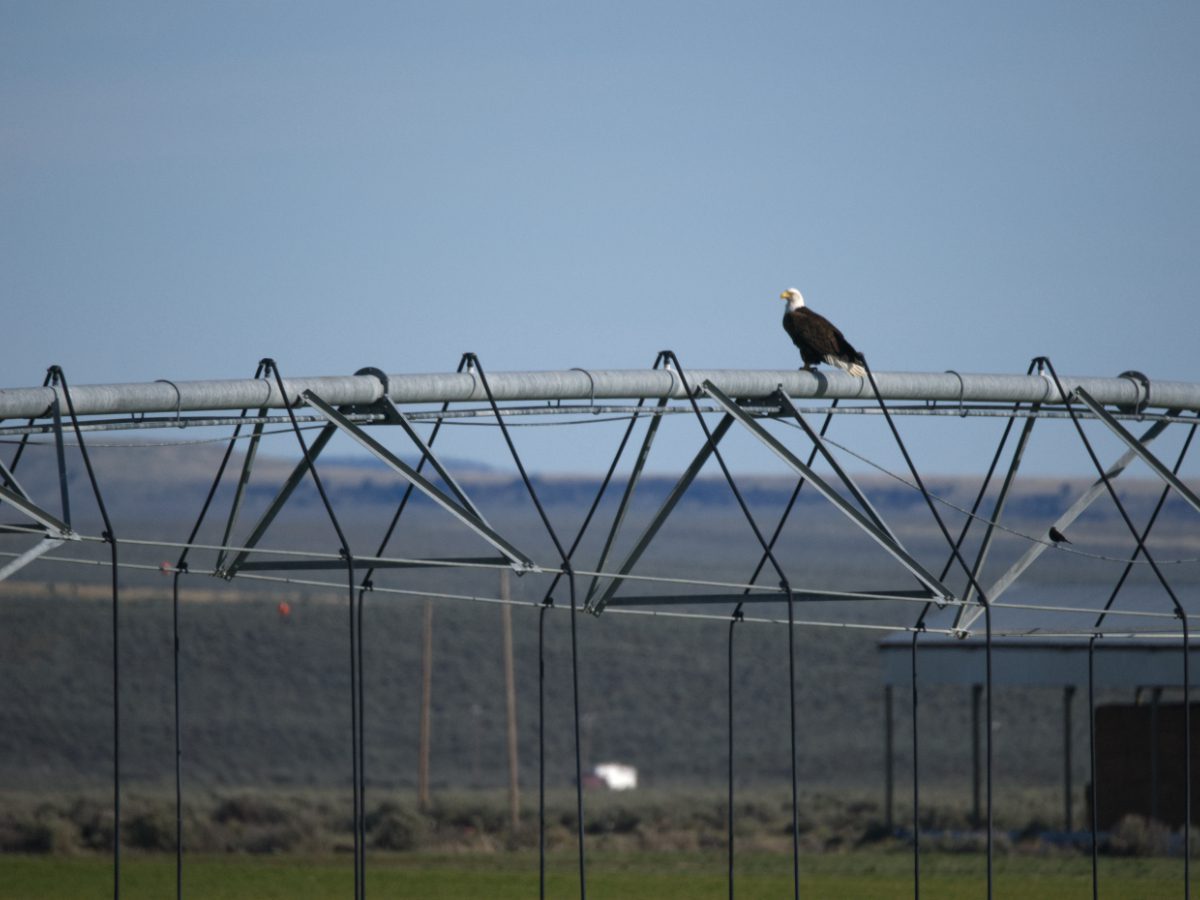
We learned where many of the Bald Eagles go after leaving the roost. Along irrigation systems bordering freshly plowed fields, eagles perched shoulder to shoulder scanning for ground squirrels before dropping suddenly toward breakfast. Ravens and crows lingered nearby waiting for scraps.
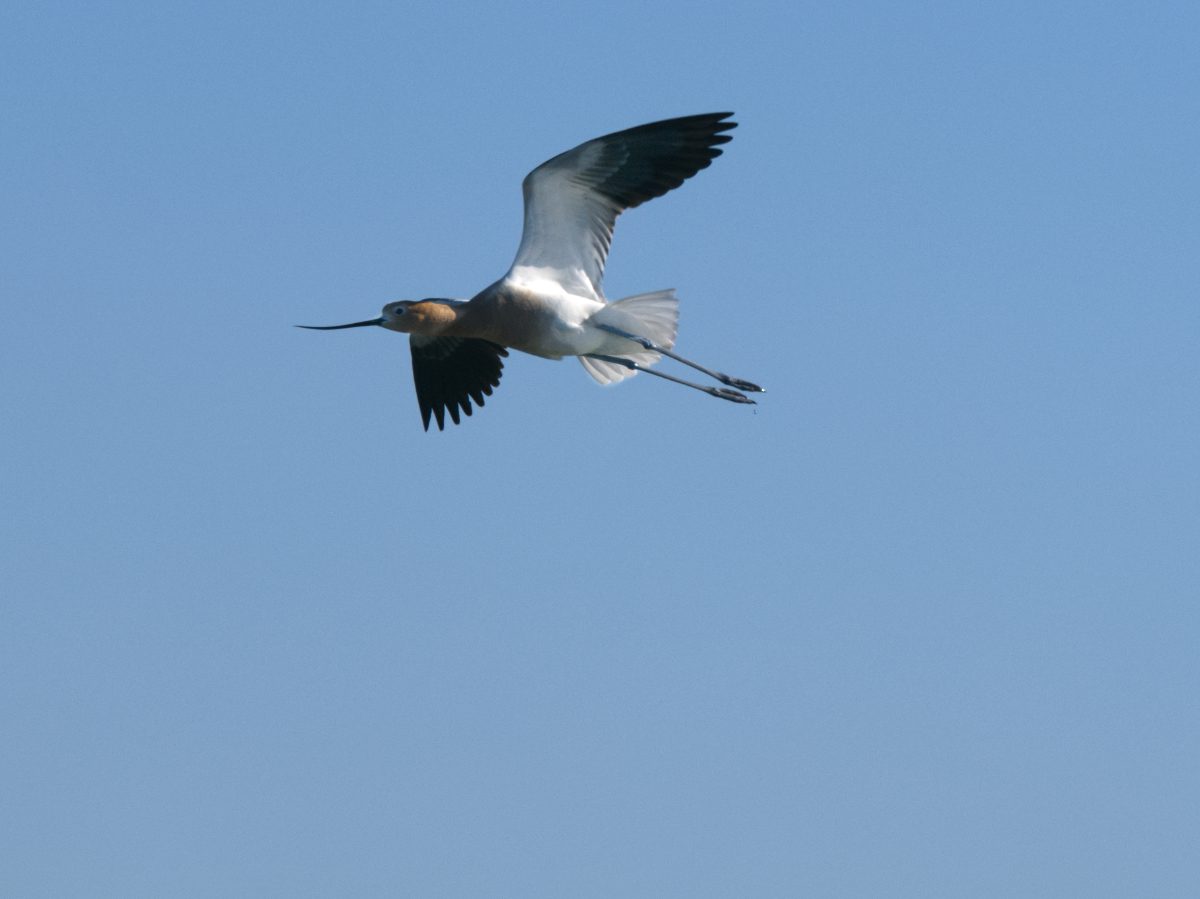
On the drive back, we stopped at Crane Hot Springs where we had noticed steam rising from the water into the freezing air just before dawn. A few people where in the water, accompanied by a single American Coot. But in the back pond, a pair of American Avocets took flight through the clouds of vapor, like a living watercolor painting.
In the end, the official outing mattered less than the way it placed us out on the landscape early enough to witness all the unexpected moments surrounding it. Perhaps that’s what I love most about birding, it forces me to get up early, something almost impossible to do at home but somehow easy when in the field.
Don’t Rush the Festival
The Bird Passport challenge taught us another lesson: Harney County rewards slower travel.
We attempted to complete the two-day passport in a single day and quickly realized how ambitious that was. Even starting at 8 a.m. near the furthest checkpoint, we struggled to keep pace and finish by the 12 noon deadline.
Stops included:
- Page Spring Campgrounds (best Cinnamon Teal photos ever!
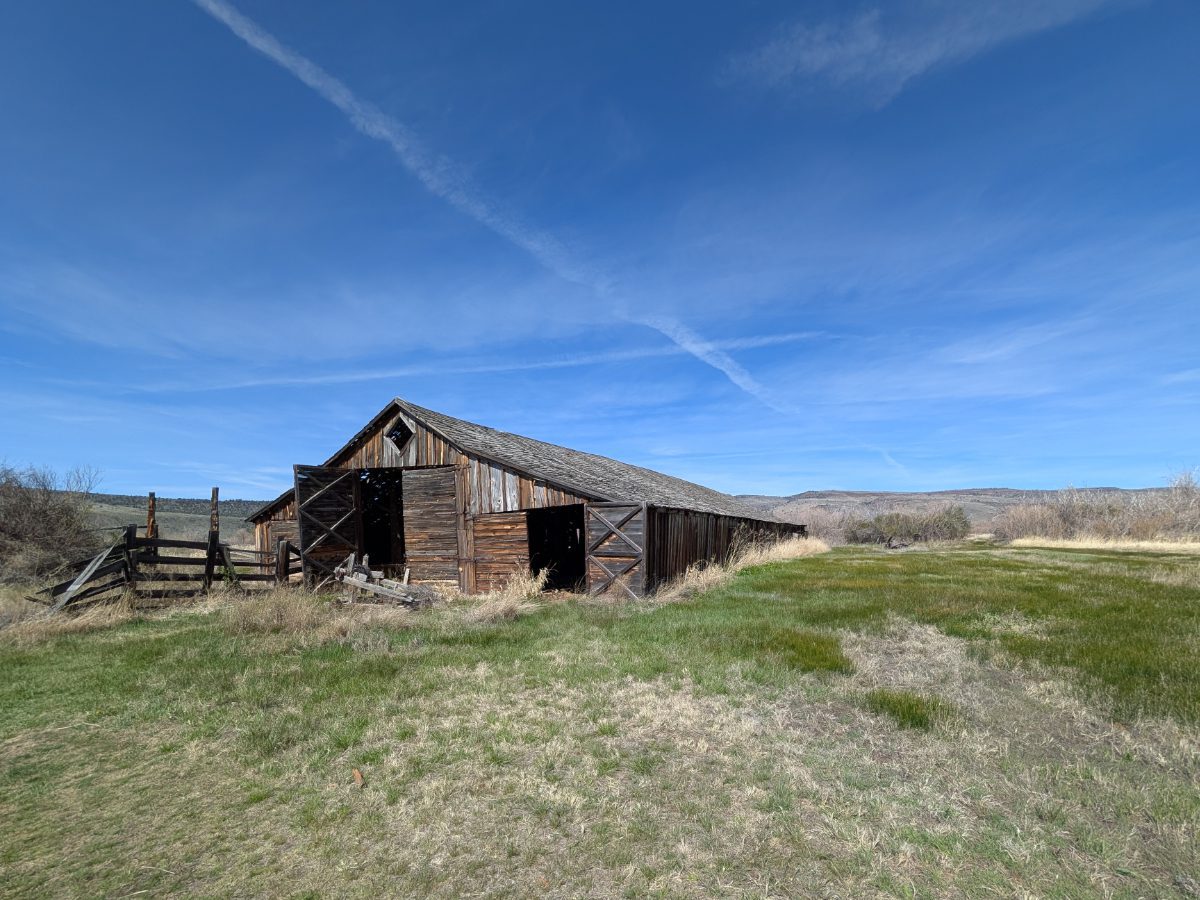
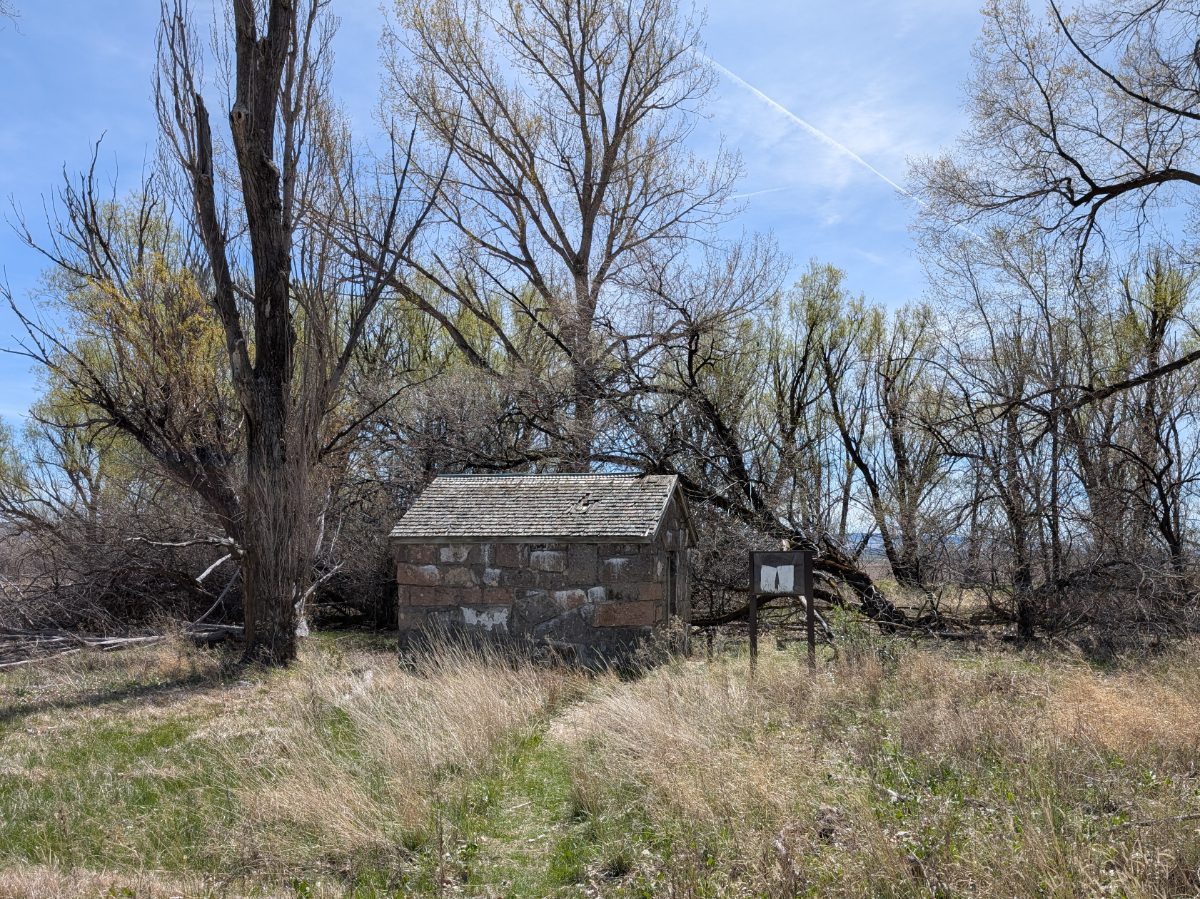
- Historic P Ranch (cool barn and a fair picture of our only Shrike sighting)
- Benson Pond (mother and daughter Trumpeter Swans that return every year but, so far, no mates)
- Buena Vista Overlook (didn’t make it by noon but had visited on Thursday)
- Malheur Vistors Center (didn’t make it by noon but had visited on Thursday)
Part of the issue was practical, a volunteer accidentally overslept and arrived late to the first station, but honestly, we are simply not fast birders.
We stop for conversations. We admire landscapes. We linger over meadowlarks singing from sage brush perches. We ramble from here to there.
And that turned out to be the best way to experience the festival anyway.
Some of our favorite memories came from chatting with volunteers, hearing stories from longtime locals, and sharing sightings with strangers who quickly became temporary birding companions.
Budget for Local Art, Books, and Organizations
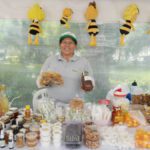
The festival was more than birding! At Geno’s Youth Center, what we liked to call Birder Central, a small but vibrant fair offered plenty of opportunities to buy from local artists and conservation groups.
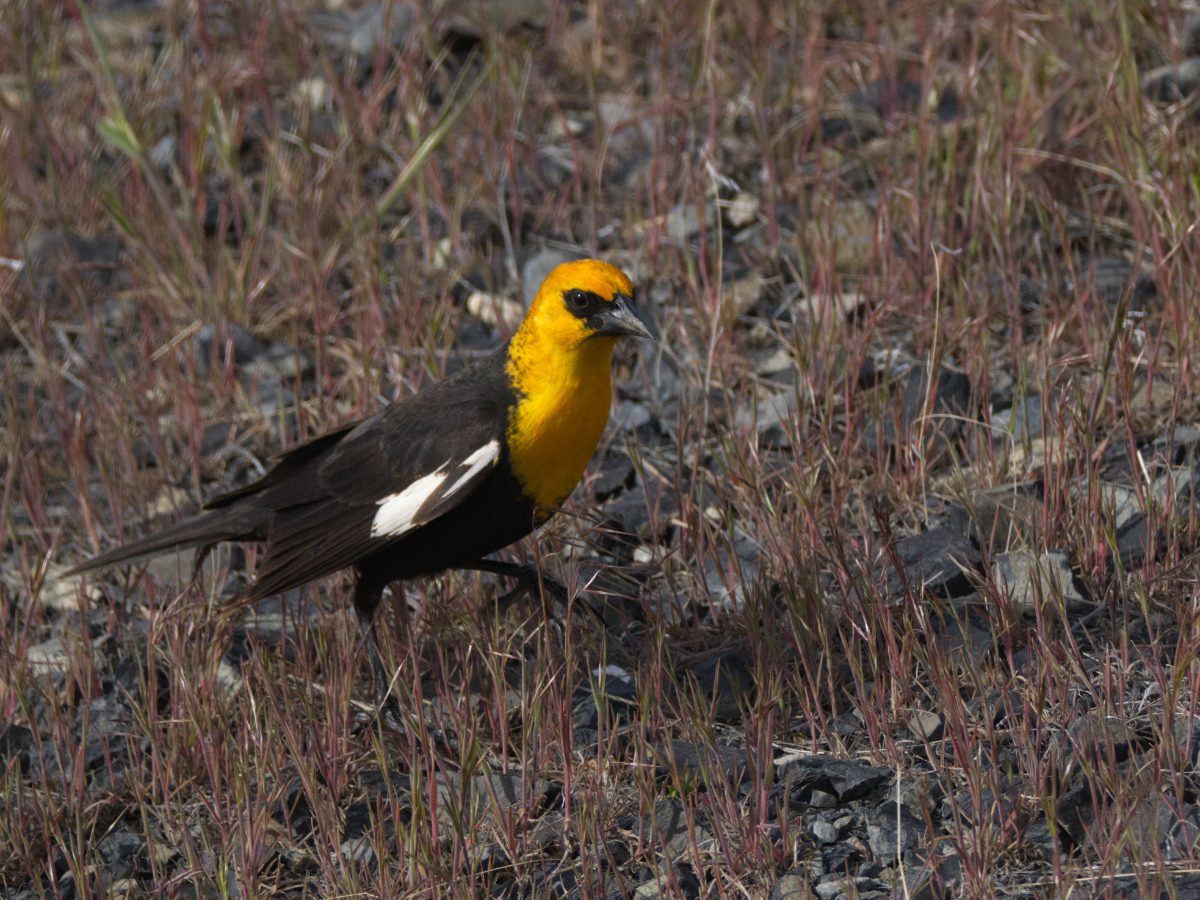
We came home with a striking Yellow-headed Blackbird painting, a handmade Flicker nesting box, a festival baseball cap, a couple of t-shirts, and a copy of Sibley’s Birding Trivia.
Supporting local artists and organizations is part of what keeps events like this thriving. If you attend, leave room in your budget for more than gas and optics. Part of being a responsible tourist is buying local when you can. Which leads to our next subject…
Where to Stay and Eat in Burns
We rented a house in Hines, just next to Burns, which turned out to be a great fit for our group. If you are attending the festival, it is worth reserving lodging early, especially if you prefer vacation rentals or more boutique-style accommodations since choices in the area are fairly limited during busy weekends.
Restaurant options for breakfast and lunch are great! However, the options at night can be limited, and hours vary more than we expected.
We enjoyed prime rib night at the Pine Room (we learned that reservations are a good idea during the festival though we got lucky as we came in early). We unfortunately missed The Palace after arriving on a night they were closed. Burns also has a few Mexican restaurants, pizza places, and classic burger joints. My Dad especially loved getting a blizzard at Dairy Queen!
If you are looking for lighter or healthier meals, planning ahead helps. Renting a house worked especially well for us since managing my MS means I can only get away with so many “cheat meals” before my symptoms start creeping back.
A few practical notes:
- Check restaurant schedules carefully
- Grocery shopping is easy thanks to Safeway and Grocery Outlet
- Staying in Burns or Hines keeps you close to festival headquarters at Geno’s Youth Center
Final Thoughts
The Harney County Migratory Bird Festival is not just about adding species to a list.
It is about conversations with volunteers who know every back road. It is about watching cranes dance in sleet beneath enormous skies. It is about understanding how conservation, ranching, migration, and community intersect across one of the West’s most important wetland ecosystems.
Go prepared for cold mornings, long drives, and changing conditions.
Be willing to slow down. This should be an experience, not a slog.
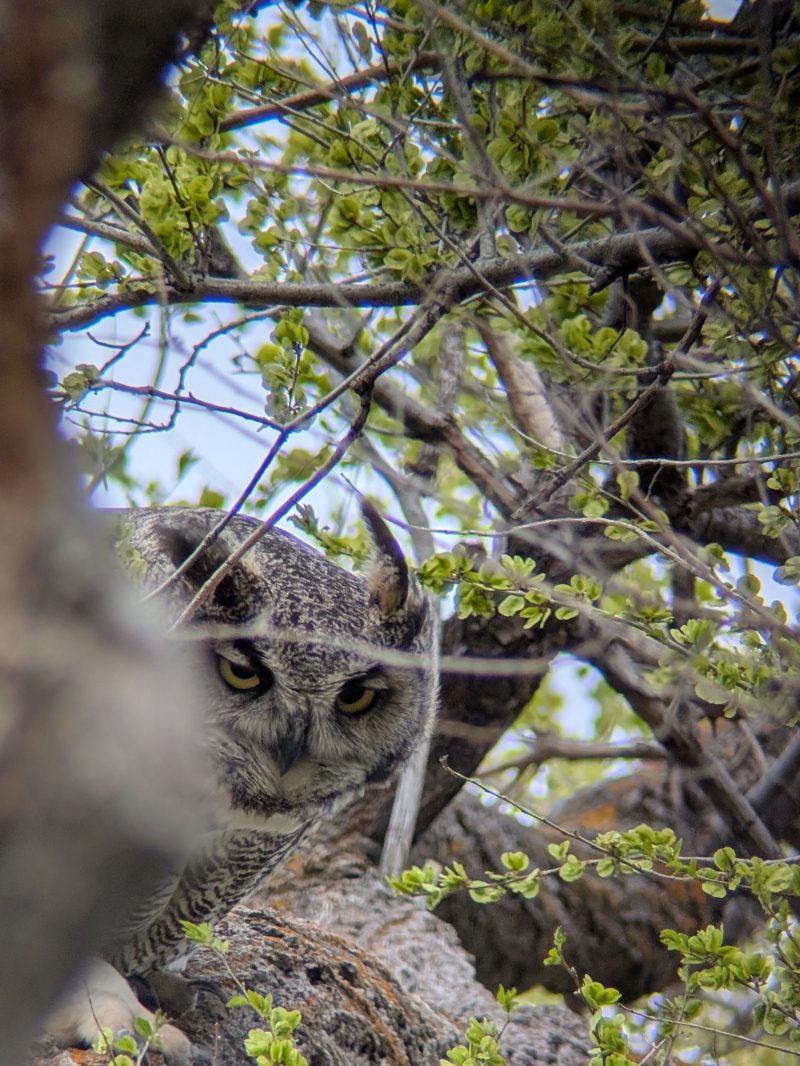
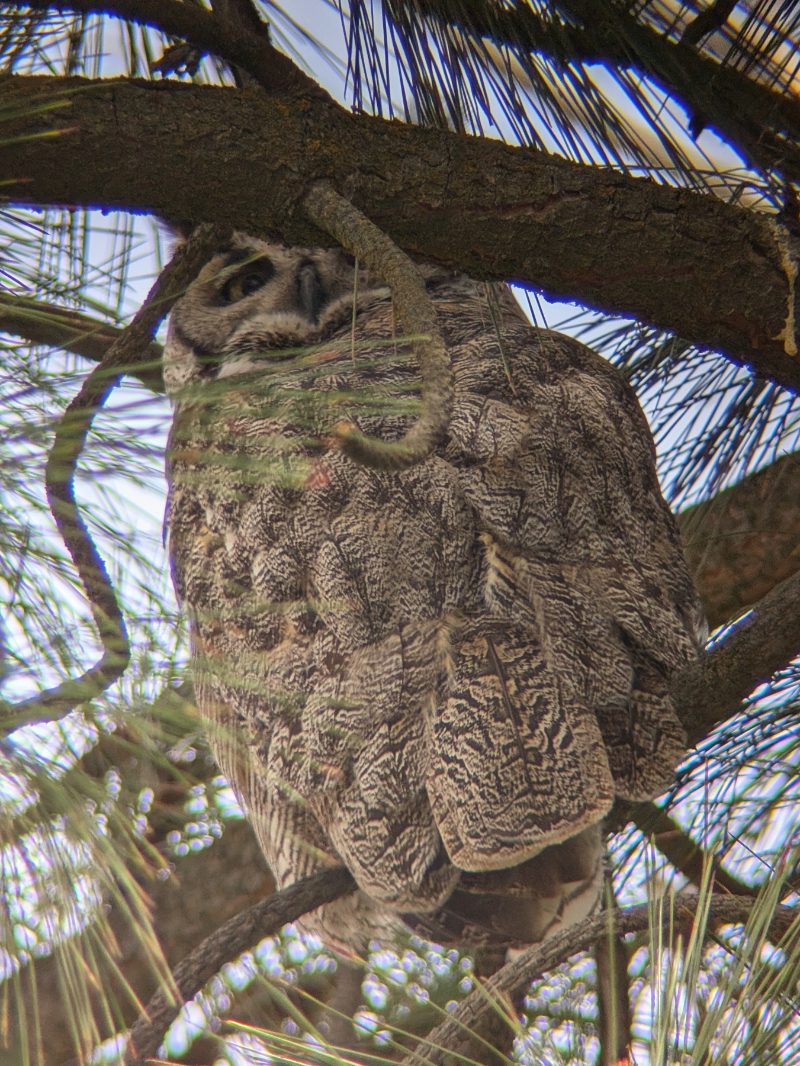
And if possible, bring a spotting scope. It helped us locate the resident Great Horned Owl pair on our last morning!