

First published on January 6, 2026 • Last updated on January 7, 2026
This page may contain affiliate links; if you purchase through them,
we may receive a small commission at no extra cost to you.
Anyone interested in the rich, cultural history of the Chachapoyas region will likely find themselves in Leymebamba, Peru. Though most will stop for only a couple of hours to visit the local museum and maybe catch a bite to eat. We want to encourage visitors to stop and stay a little longer. In fact, our two-night stay barely scratched the surface. That’s why we wrote this Leymebamba guide for other curious and responsible travelers looking for immersive experiences in Peru’s Amazonian Andes.
Where is Leymebamba, Peru?
Leymebamba, Peru walks the tightrope between the high-altitude slopes of the Eastern Andes and the warm, humid air of the Amazon Basin, a region that locals call the Amazonian Andes, in Northern Peru. Leymebamba is a remote destination, requiring many hours of travel by bus or car from Peru’s main international airport in Lima. Most people divide the trip into two days, Lima to Cajamarca then Cajamarca to Leymebamba.
Alternatively, some visitors fly from Lima to Cajamarca, and then continue by car or bus to Leymebamba, about a 6-8-hour drive. You can also fly from Lima to the re-opened airport at Jaen, about 6-8 hours away by car from Leymebamba. If you would like to begin or end your trip closer to the Amazon, consider flying Lima to Tarapoto. Lastly, you can take the option we chose, to fly from Lima to Chachapoyas, about a 2 hour drive away Leymebamba. The downside to flying to Chachapoyas is that you are limited to a single airline with strict luggage requirements. We had to use our travel agency to help with the booking. To maximize the your itinerary, consider arriving to one airport and departing from another.
Leymebamba, Peru
Cajamarca
Jaen
Chachapoyas
Tarapoto
Why Visit Leymebamba?
Leymebamba offers the curious traveler opportunities to immerse in local culture, better understand the rich history of the Chachapoyas people, and to slow down and smell the proverbial roses… which in this case could be dozens of species of orchids or brightly flowering bromeliads. This town and the larger district are already known to birdwatchers and to European travelers looking for off-the-beaten-path adventures. Therefore, some tourism infrastructure already exists.
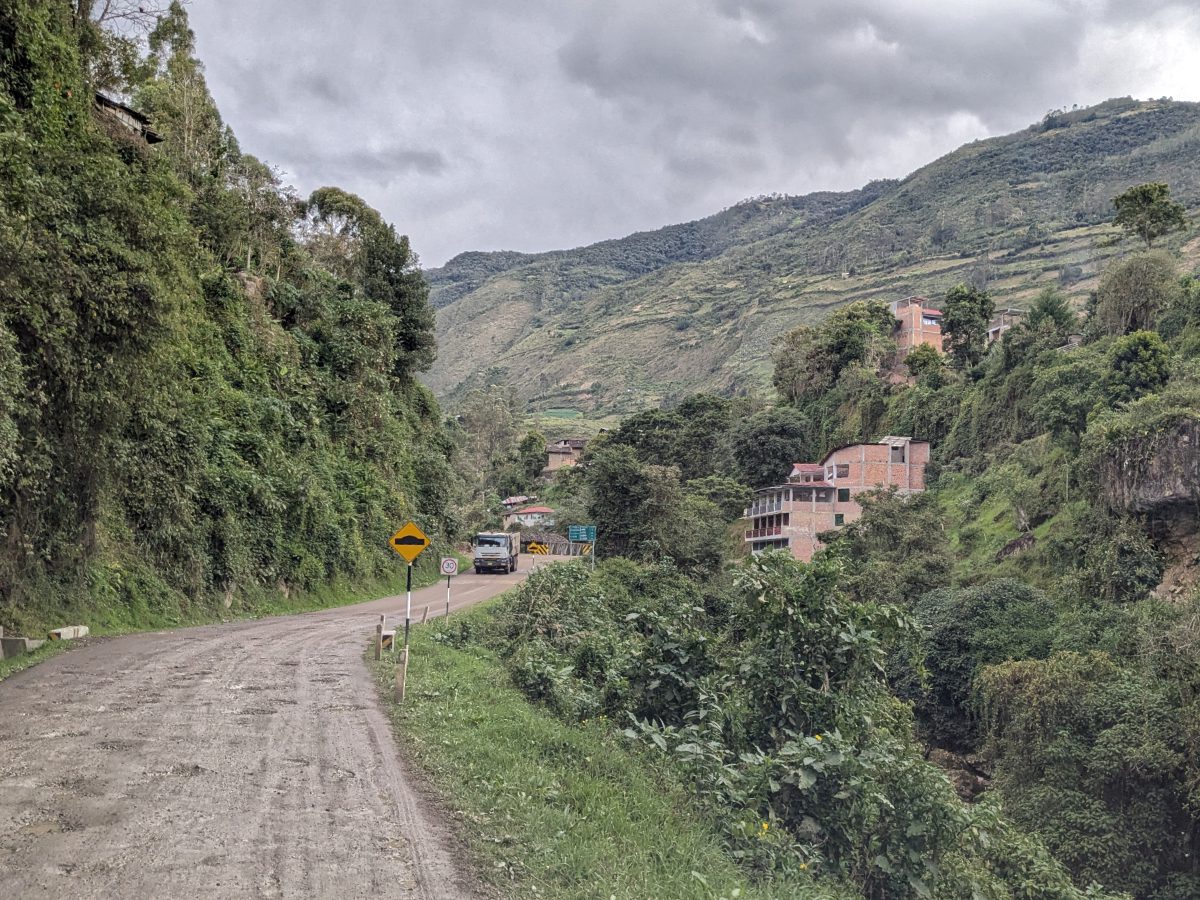
The local highway, which sometimes looks more like a one-way gravel road, lends credence to the remote and rural nature of this lesser visited destination. In truth, we only know about Leymebamba because of our budding friendship with Marilyn, the owner of Nuevos Caminos Travel. She was born in this small town and works hard to promote it as a destination. Touring the area with her only showed us how this region is ready for the kind of responsible traveler who wants to learn and is willing to put up with some inconvenience while on the road.
What To Do In Leymebamba, Peru
Leymebamba is best known for its museum that today protects the remains of dozens of mummies excavated from the Laguna de los Condores. But it is also hosts other opportunities for tourists and would make a great homebase for the adventurous traveler. And the activities are wide spread.
The following list is not comprehensive but makes a good start for those of you researching your trip to the Amazonas province and wanting to include Leymebamba on your itinerary.
Plaza de las Armas
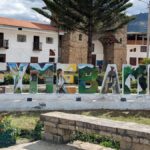
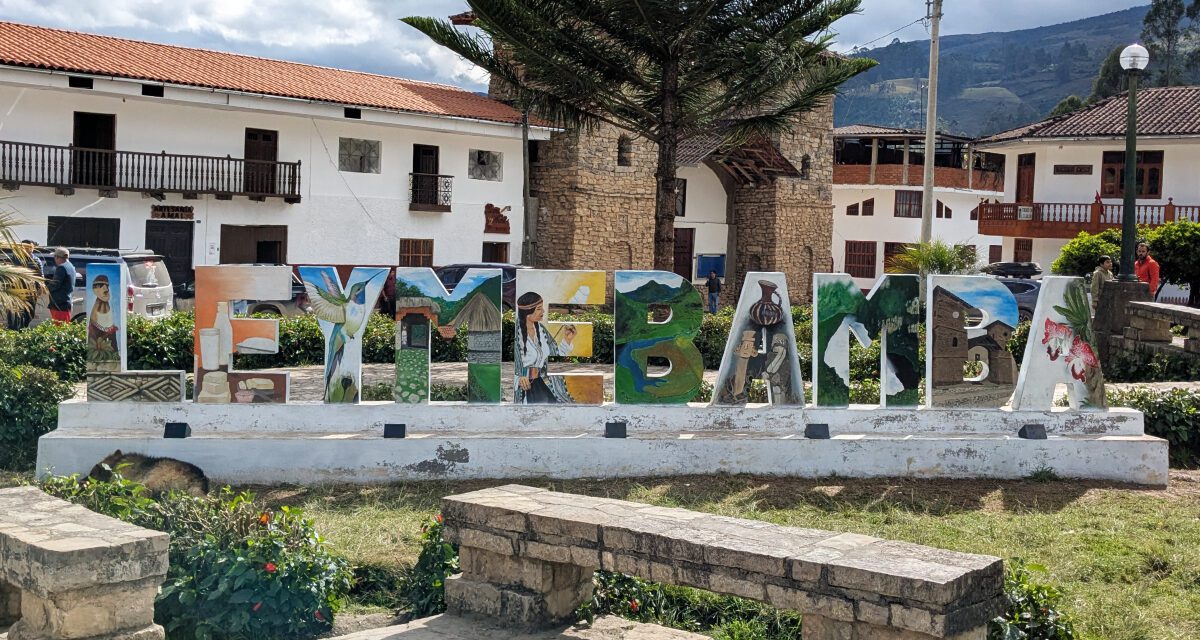
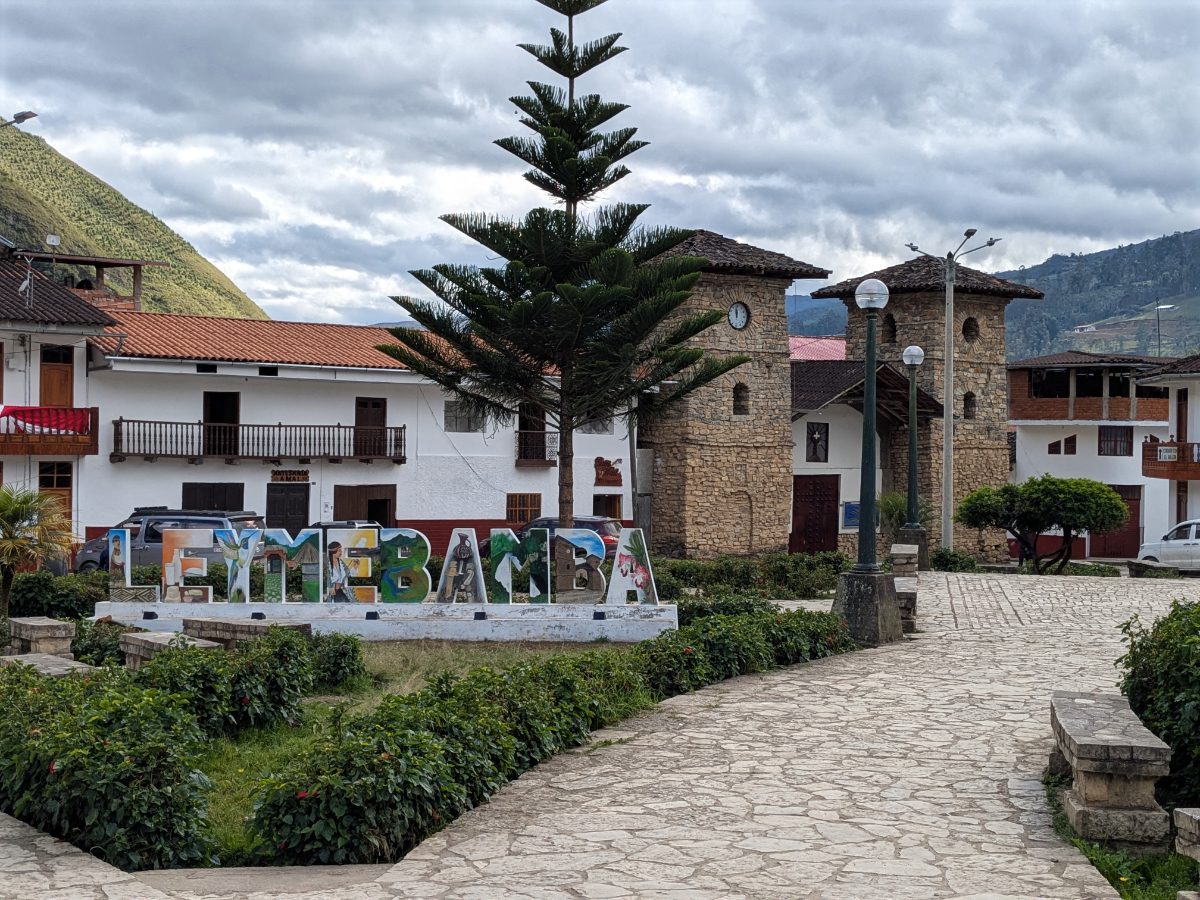
As you drive into Leymebamba from Chachapoyas, you will pass the Plaza de las Armas, the most important plaza in any Peruvian city. Traditionally the seat of civic and religious government, it is almost always where you will find the church and city hall. In Leymebamba, there is also a tourism information center and a sign spelling out Leymebamba (with the Y not the alternate spelling often found in Google Maps, Leimebamba). Each letter is decorated with iconic images of the region, from hummingbirds to Chachapoyan sarcophagi.
Downtown Leymebamba
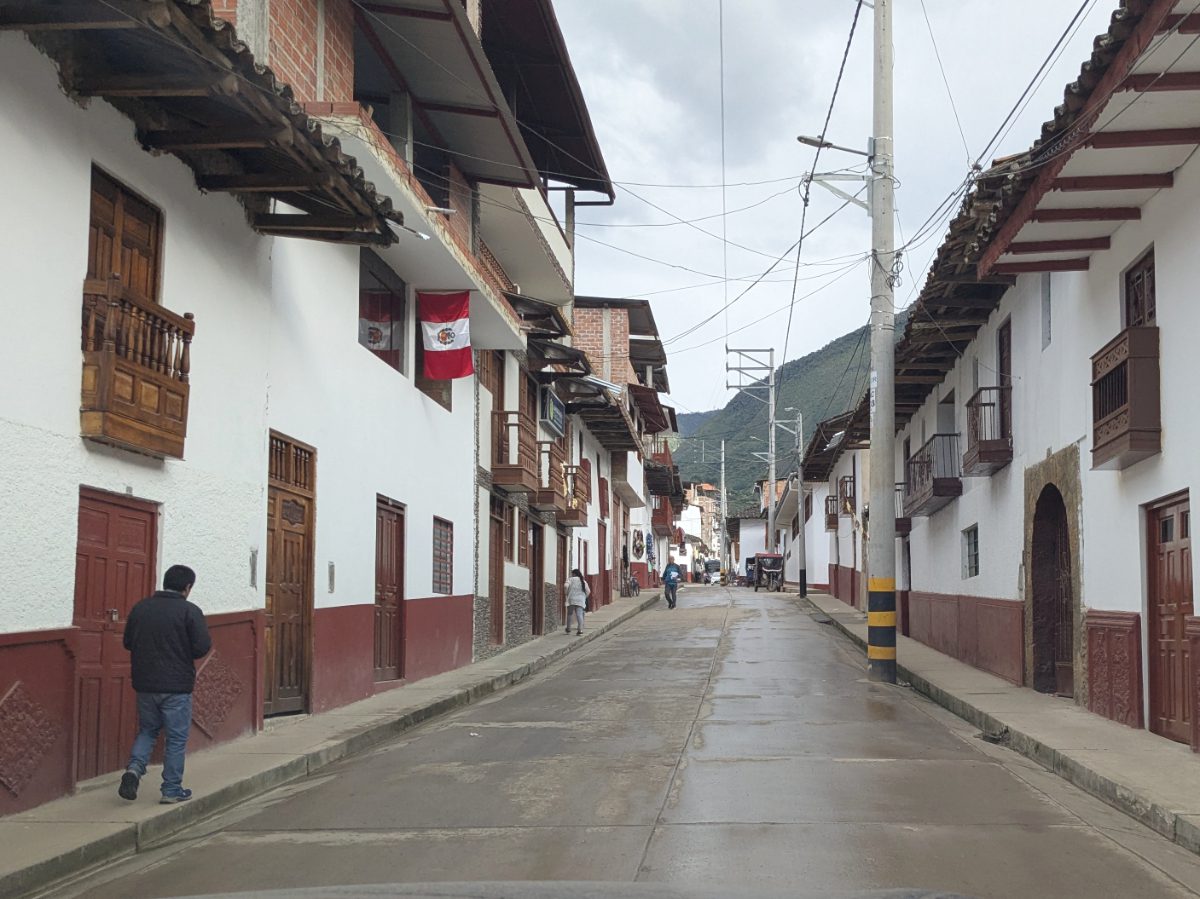
Take some time to stroll the streets of downtown Leymebamba, including the Plaza de las Armas. You can enjoy the traditional, colonial architecture of the region that includes wooden balconies and buildings painted in off-white or cream and rust red in homage to the colors found on the Chachapoyan sarcophagi. You’ll find shops selling artisan goods, cafes with excellent coffee, restaurants offering local specialties, and tiny grocers offering fresh produce and traditional snacks.
Dos de Mayo and Plaza de Leymebamba
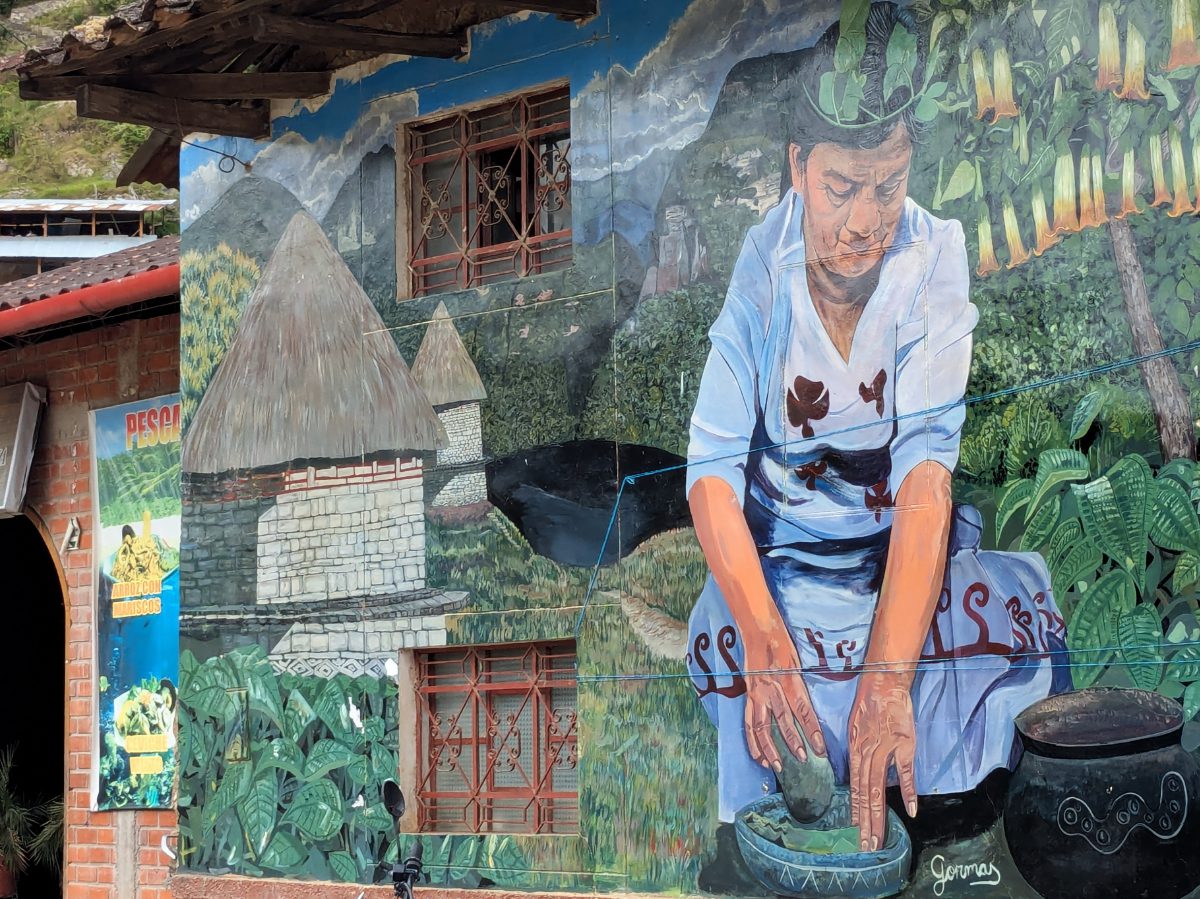
Dos de Mayo is a great neighborhood with colorful murals and traditional wooden balconies with a plaza all its own, a popular park that is more grass than city center. This neighborhood is newer, founded after a extreme flooding damaged homes closer to the Utcubamba River. Today, Dos de Mayo is a mix of residential homes and businesses. On the day we visited, many people came to see a military helicopter parked on the grassy field, normally used for local soccer games. No matter the event, the park is bound to have a few folks hanging out.
La Huayaquita
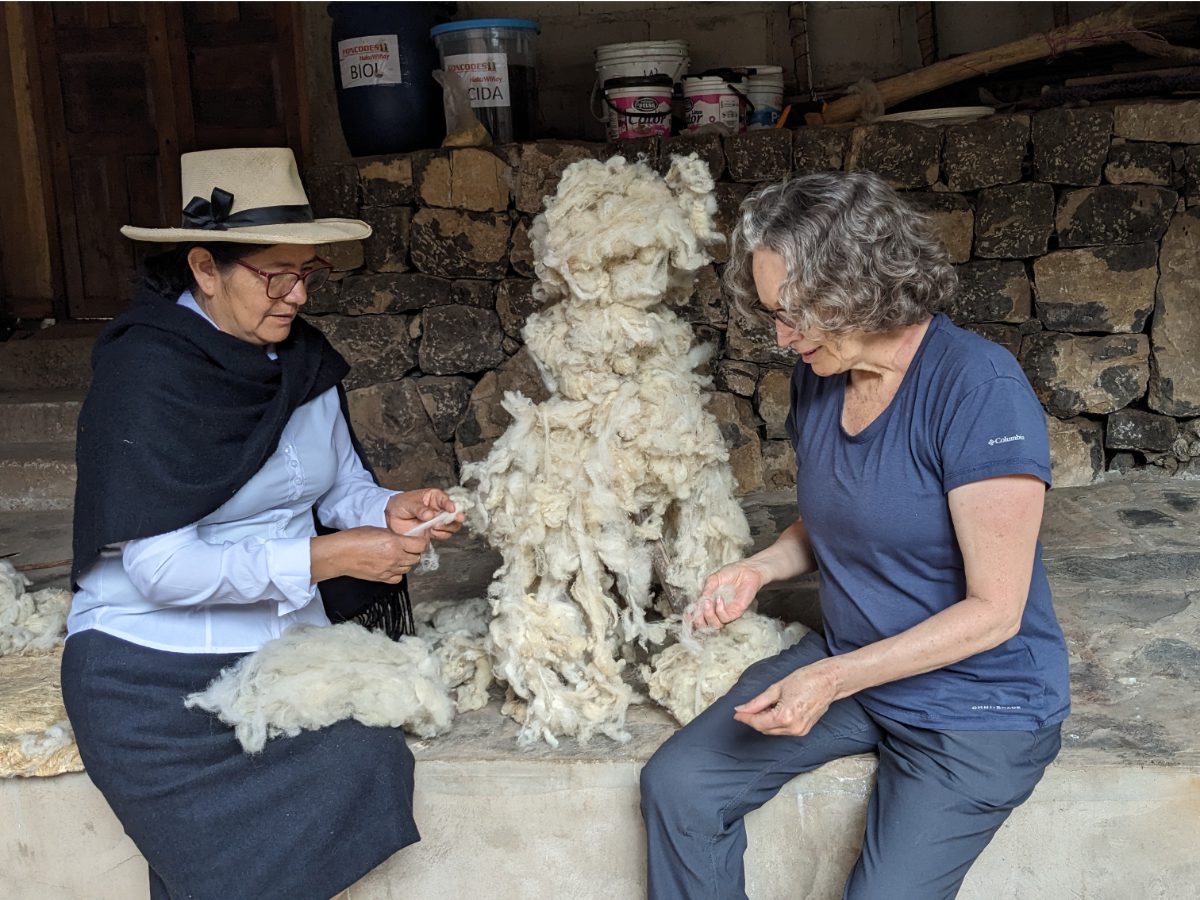
Doña Isabela runs a small artisan workshop that teaches weaving in the Dos de Mayo neighborhood. On the day of our visit, we learned about the process from making yarn from wool, dying the wool with natural products, and using the backstrap loom to weave it all into a final product. I enjoyed sitting with Doña Isabela and would gladly have spent more time weaving a piece to take home… but this requires a different kind of visit. If you and a small group of friends would like to arrange for a longer visit to immerse in handweaving in Chachapoyan styles, then La Huayaquita is a great place to start.
Miguel Huamán’s Woodworking Workshop
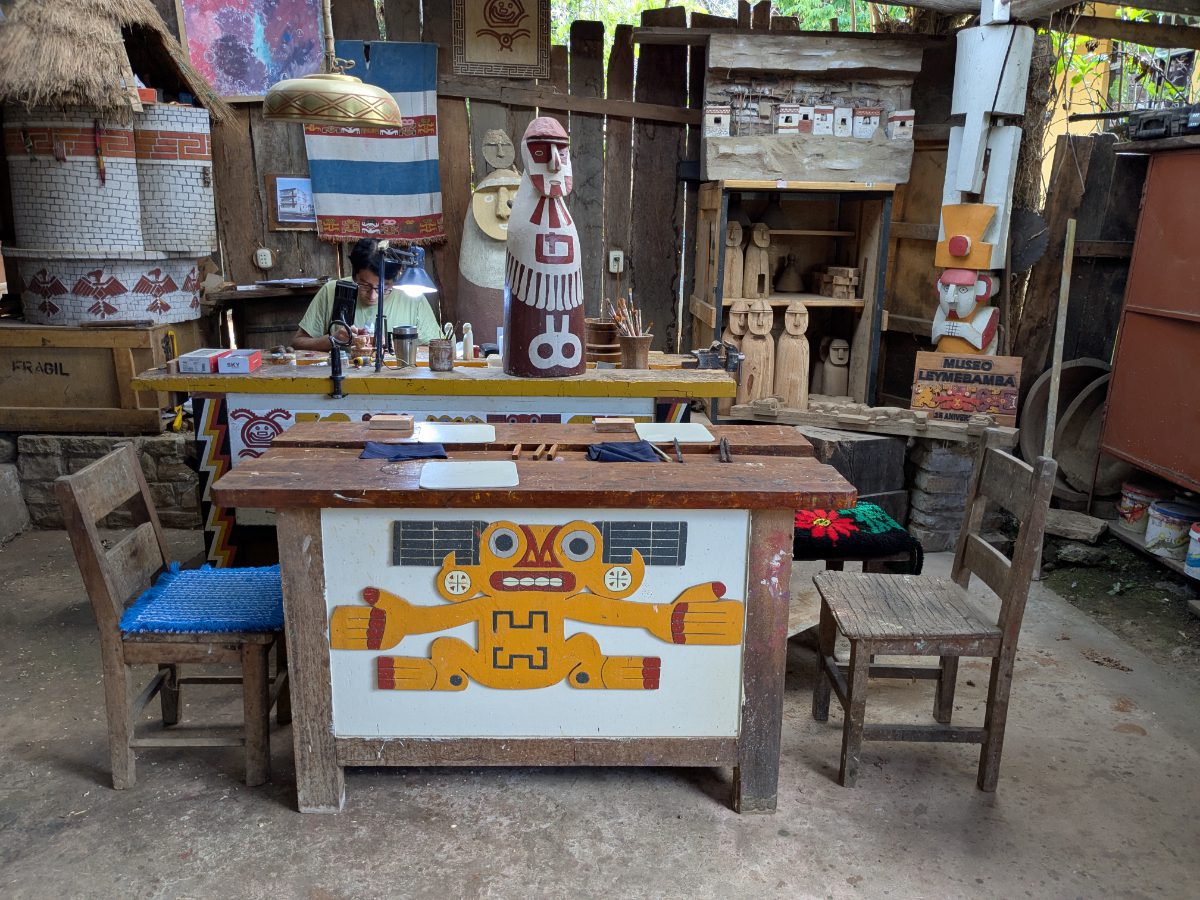
After working as a day laborer on several archaeology expeditions, Don Miguel taught himself how to replicate ancient Chachapoyan figures. His work is both popular and important. From lamps and wall sculptures in regional hotels to recreated artifacts in the Leymebamba museum, he is helping keep an ancient craft alive.
Thanks to Marilyn, we spent an hour painting small wooden sarcophagi with him. I still keep my hand-painted piece close, a simple object that carries a surprising amount of joy and memory.
Leymebamba Museum
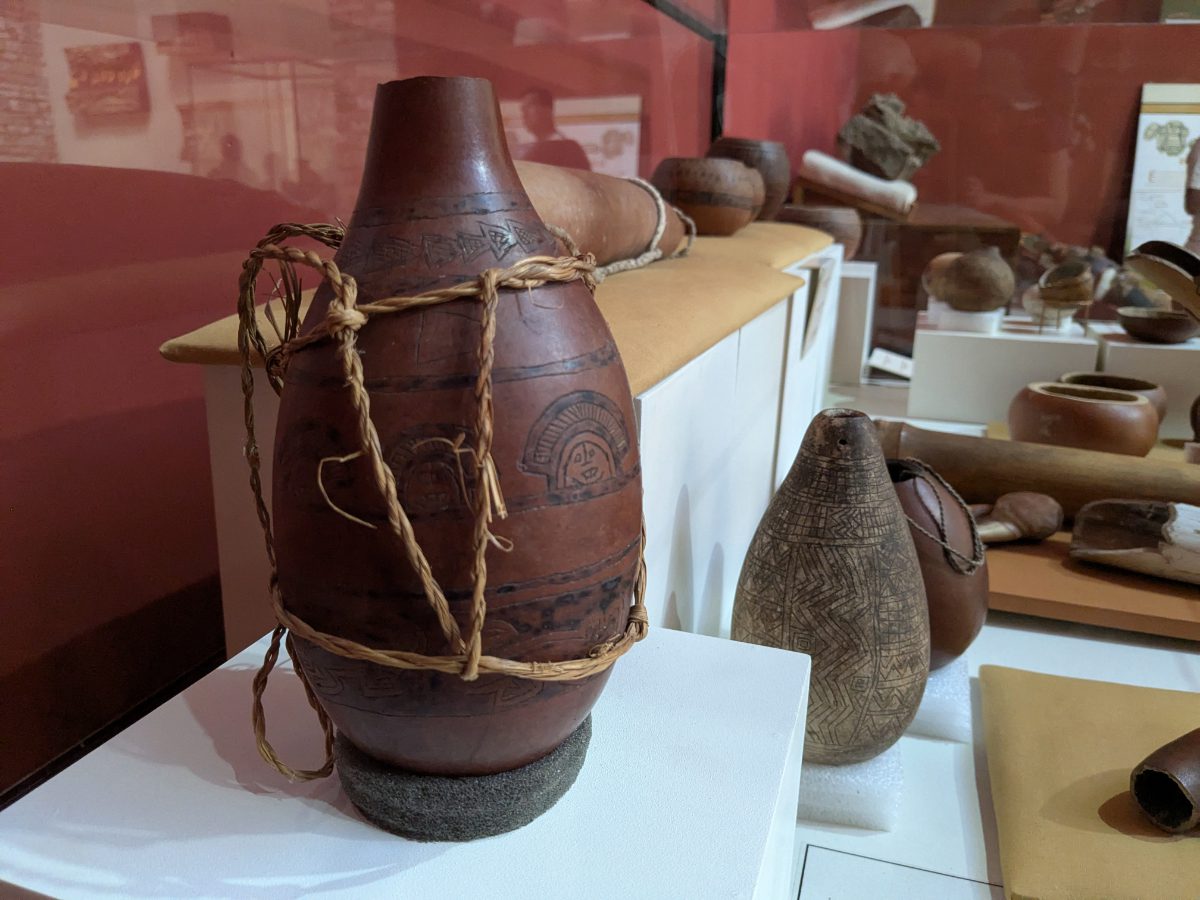
This single museum is the reason that tourism has taken hold in Leymebamba. Though small, it contains a rich heritage of artifacts, most coming from the Laguna de los Condores. We enjoyed photographing the pottery and textiles, especially a very intricate Quipu, an Incan method of keeping records by tying knots in different colored and textured fibers.
The space was designed to protect dozens of mummies in a climate controlled storage facility, one wall full of glass windows so visitors can see the collection; most mummies are still wrapped but some have degraded or out coverings have been removed, making it possible to see the skeletons beneath. Families with small children may want prepare their kids or skip the more gruesome exhibits.
Leymebamba Museum Gardens
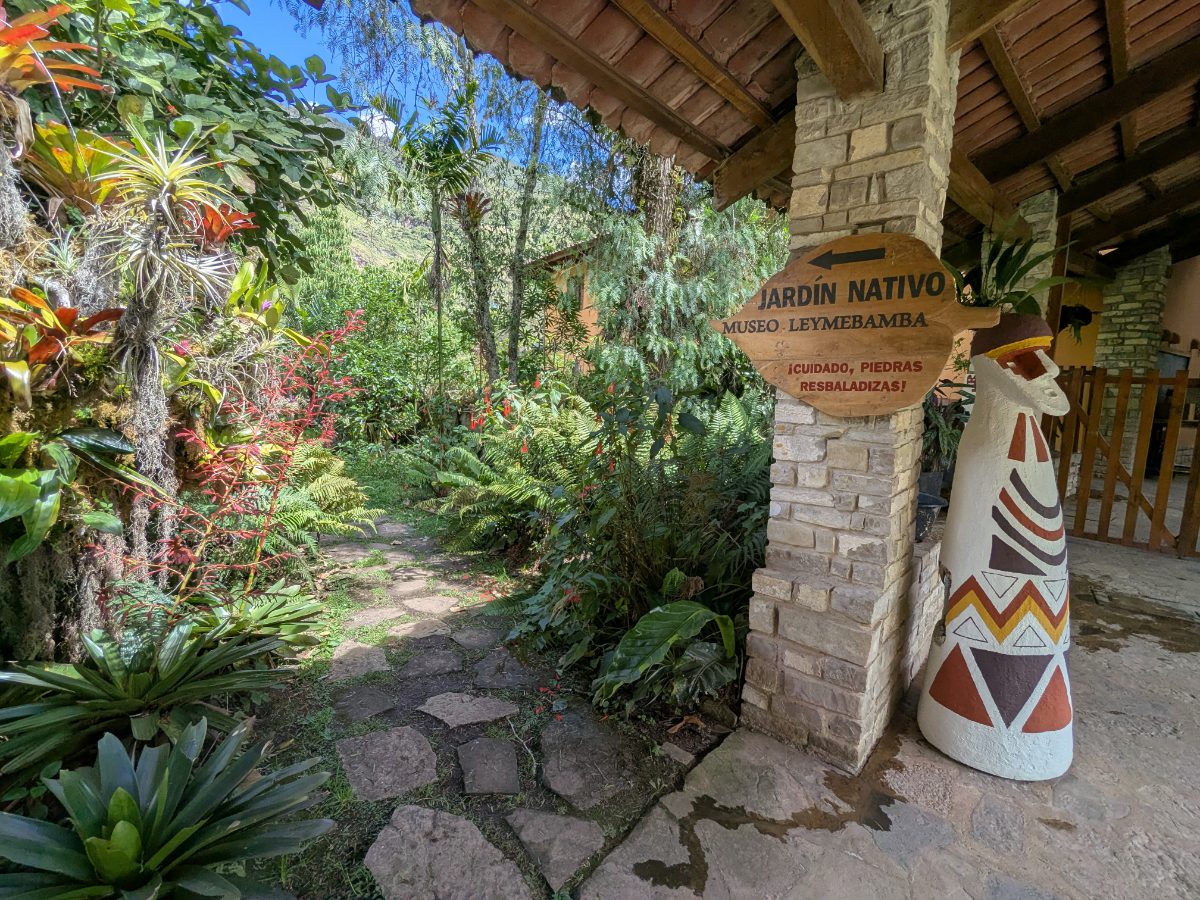
The Leymebamba Museum gardens are worth a mention all their own. They have a beautiful collection of flowering plants, including a stunning variety of bromeliads. I am sure this would be a wonderful place to bird in the early morning or late afternoon. We noted a few hummingbirds flitting around in the mid-morning sunlight but unfortunately did not have time to photograph or identify which ones. I did say we needed more time in Leymebamba!
Walk the Community Trail
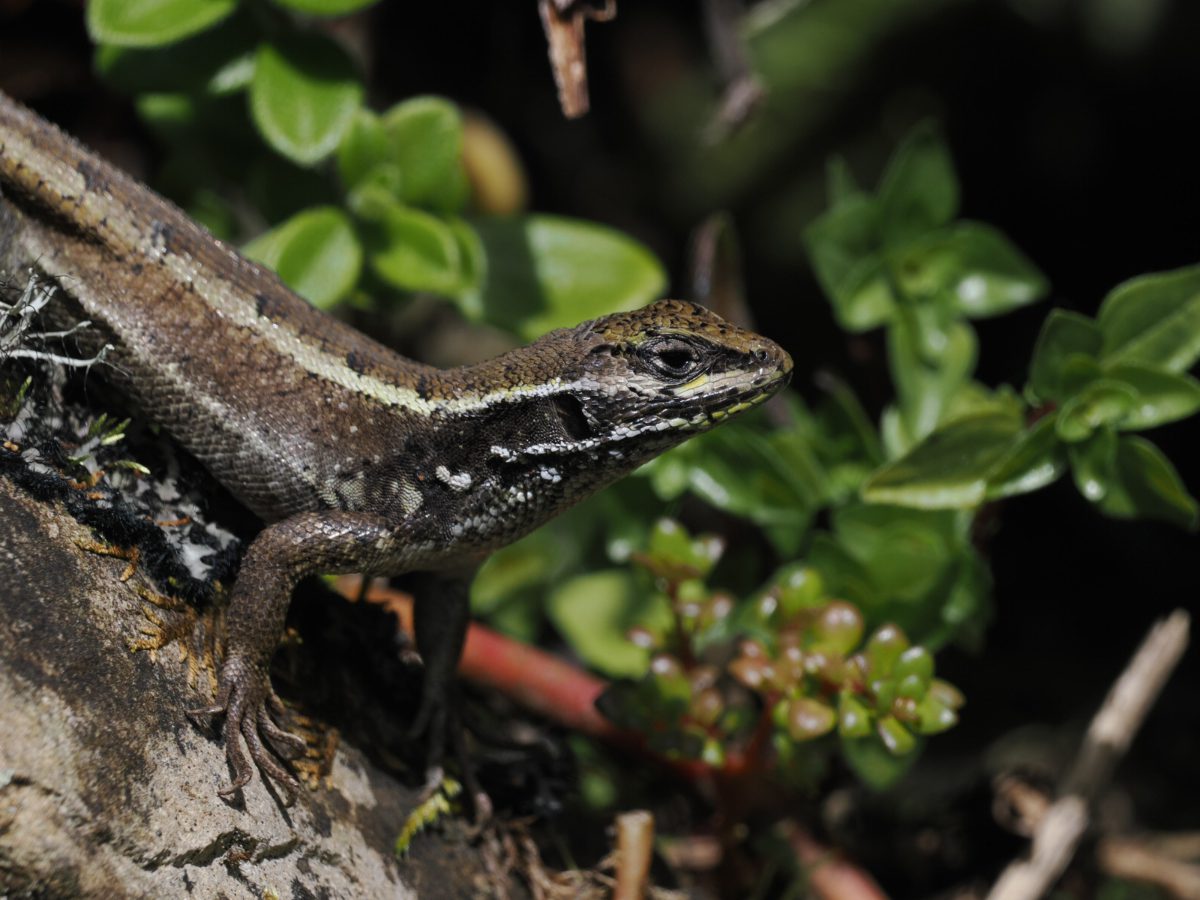
A wide, un-paved trail connects the Leymebamba Museum with the Dos de Mayo neighborhood. For us, it was a short walk down the main road from the Casa Rural Intimachay to the communal walkway. I highly recommend using it for at least one way to and from the museum and Dos de Mayo. The old rock wall bordering the farm fields was full of sunning lizards and blooming flowers. We passed a family herding their cows to a new pasture. And listened to bird song. It was glorious!
Things To Do Near Leymebamba, Peru
In addition to these activities within the Leymebamba town limits, there are other activities in the nearby region. Some of these are best enjoyed using Leymebamba as a starting point. Others can be accessed from other towns in the region but Leymebamba makes a convenient homebase for them as well. We try to make note of that in each description below.
Day Hiking around Leymebamba
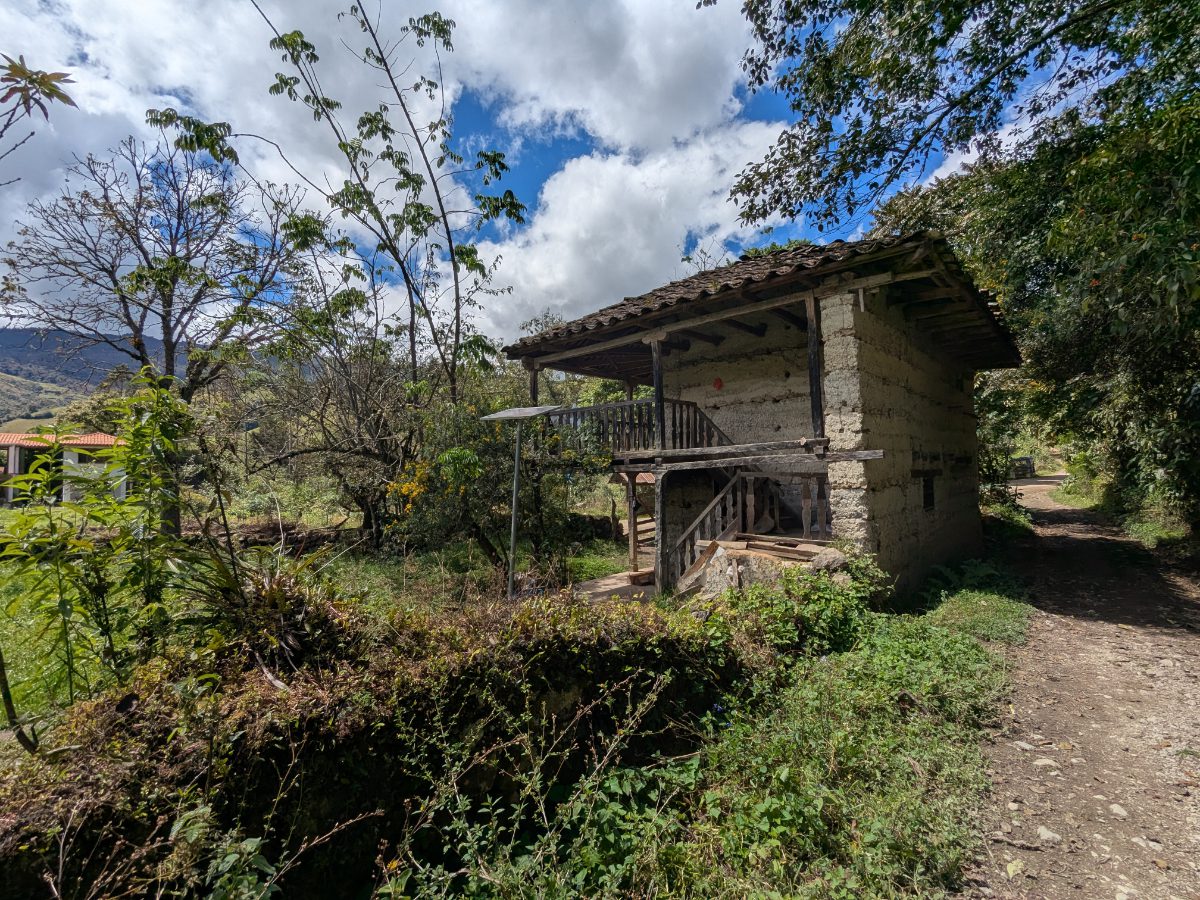
There are so many opportunities to hike around Leymebamba. PeruNorth.com has a great article that includes hikes to ancient Chachapoyan ruins like Molinete, Cataneo, and Congana. It is worth noting they suggest using a local guide as some of the best sites are on private property and require permission and, possibly, an entrance fee. Check in with your hotel or host for the latest advice from locals in the region.
Birdwatching in and around Leymebamba
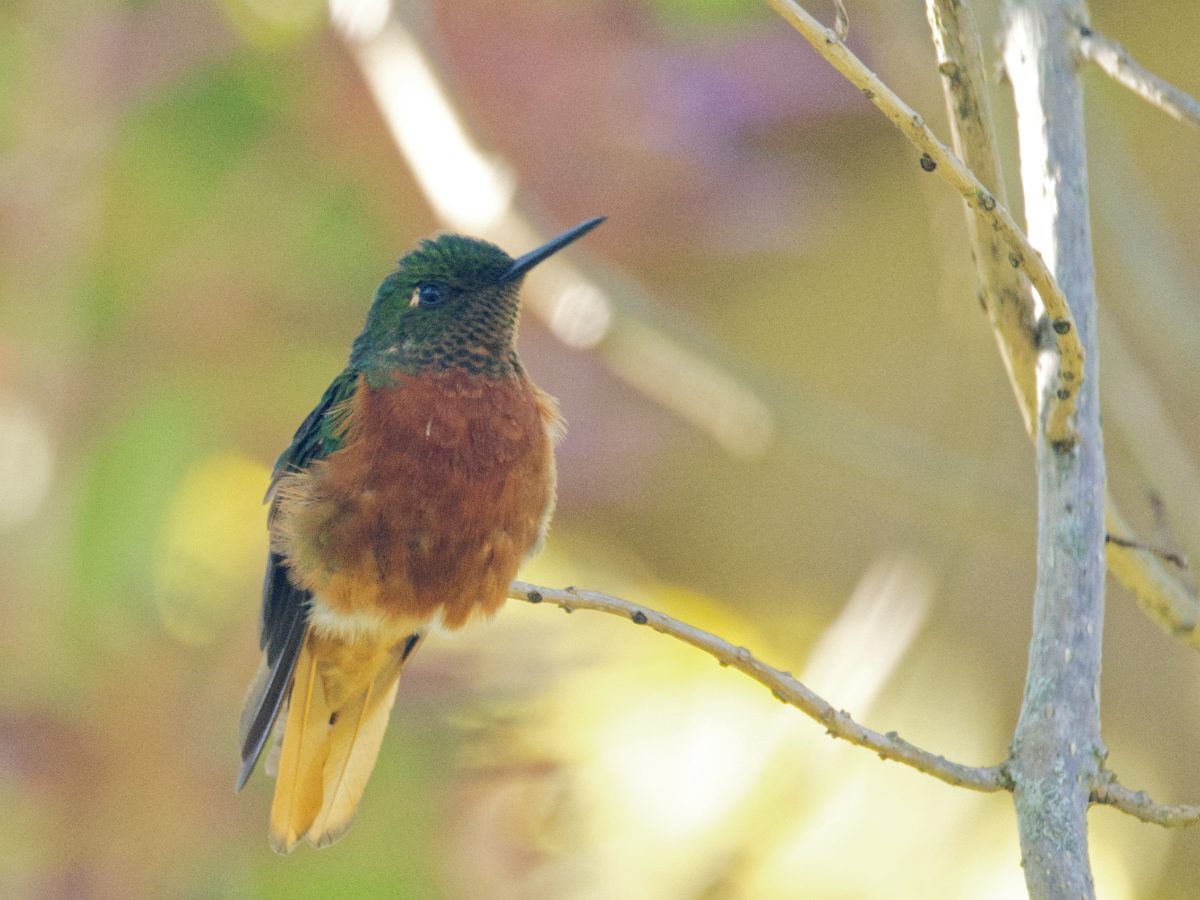
Most people coming to Leymebamba to birdwatch arrive on a guided tour. However, there are lots of opportunities for casual birdwatchers to add a few species to their life lists. Check with your host and ask if a local guide might be available (you’ll see more birds) and/or visit eBird to see where others are going for the largest concentration of birds, like Camino Atuen and Abra Barro Negro.
Laguna de los Condores
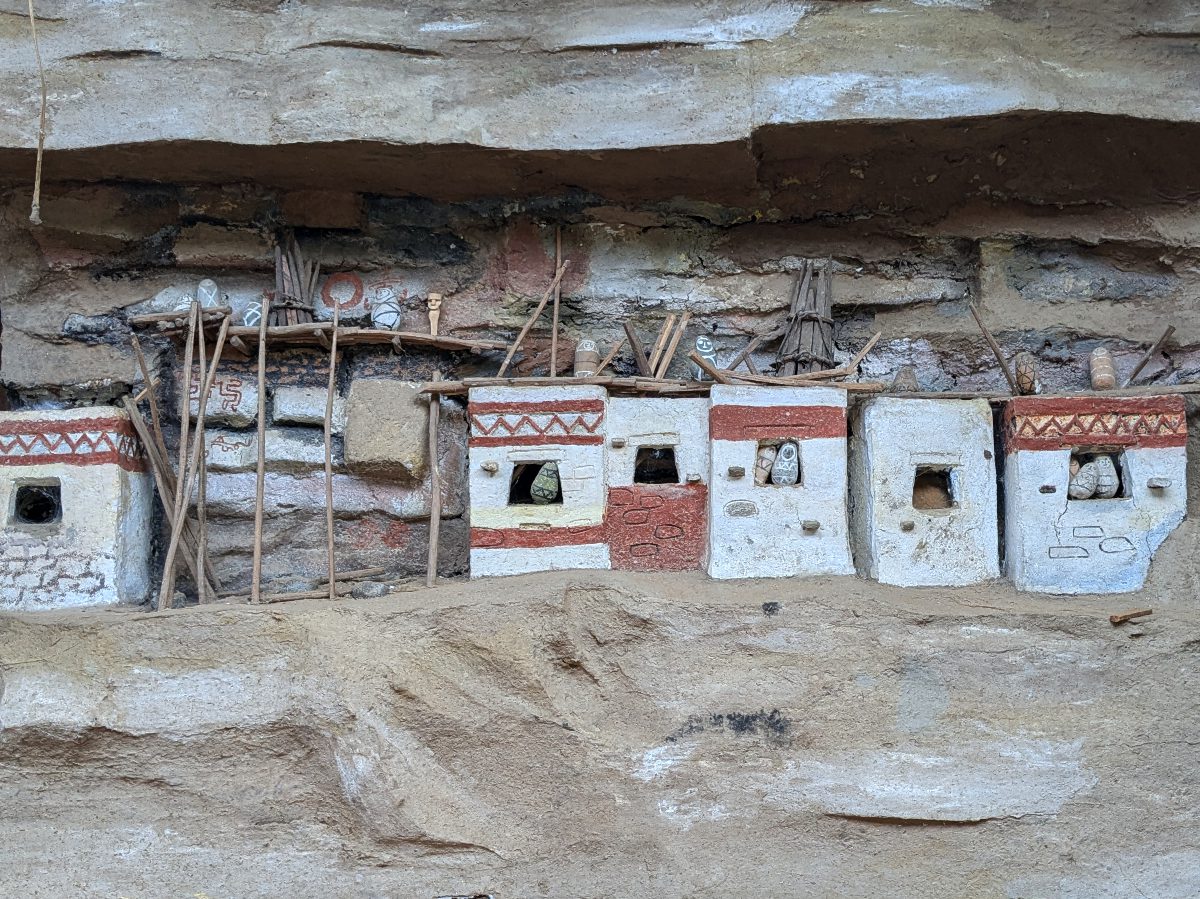
Laguna de los Cóndores brought Leymebamba international attention after hundreds of mummies were documented in cliffside tombs in 1997. The site predates Incan arrival, though later Incan use has complicated interpretations of burial practices, and scholars still disagree. Visiting today requires a true expedition—local guides, horses or long hikes, muddy trails, and camping at the lake—making extra time essential. We couldn’t fit it into this trip, but it’s one I would consider if we had the right group of ramblers to join us.
Revash Mausoleum and Sarcophagi
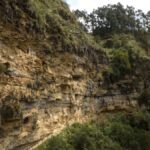
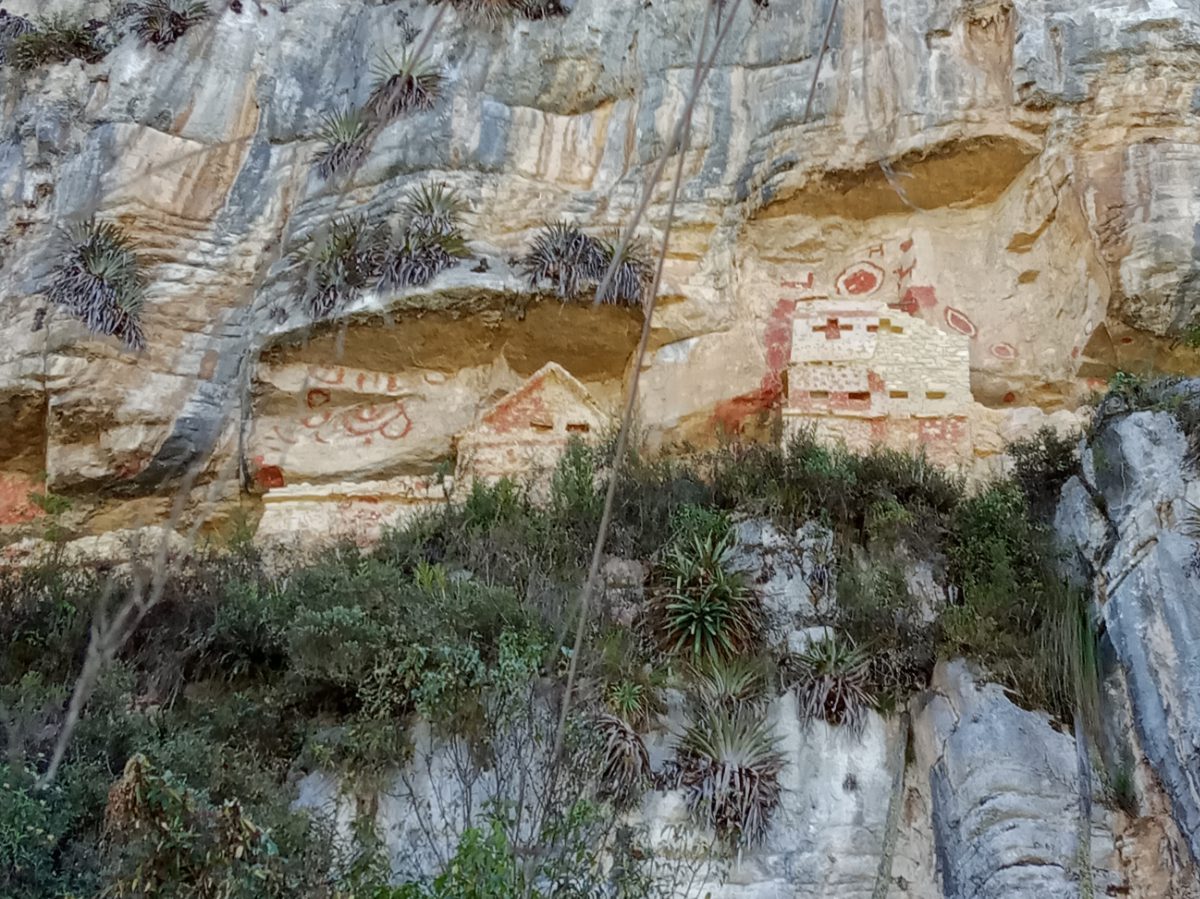
About an hour and a half from Leymebamba is Revash, a working, agricultural community with access to some of the most stunning remains of the Chachapoyan people. A long hike into a mountain ravine takes you within easy viewing of several sarcophagi, the main ones easily seen with others tucked into the crevices that require a keen eye or an avid guide to point them out.
Kuelap
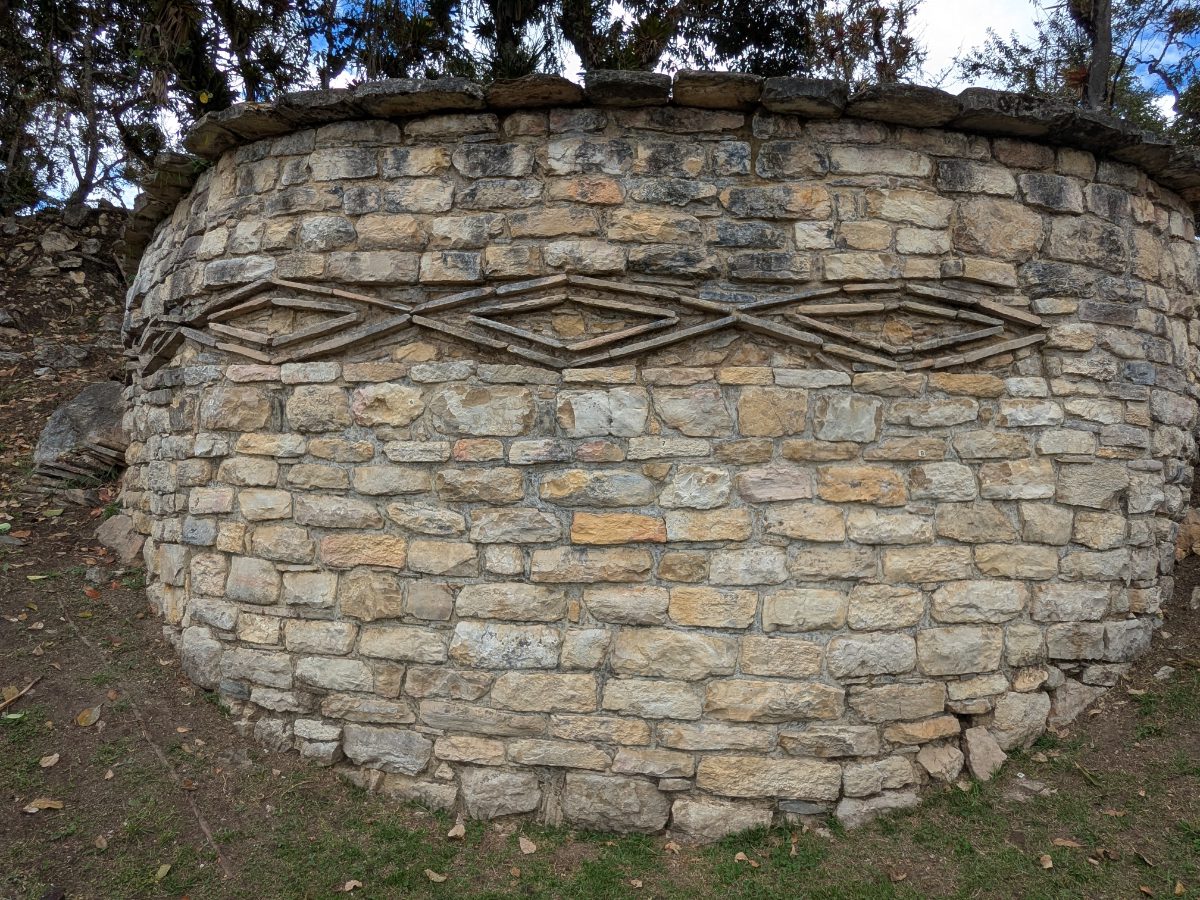
About an hour and and forty five minutes from Leymebamba is Nuevo Tingo, the small town with access via a sky tram to Kuelap, a Chachapoyan ruins in the process of restoration and protection. This site has been known to archeologists long before Machu Picchu but received very little attention until recent rains placed the fortress walls under great stress, causing severe damage. The local and federal governments have joined forces to protect the site and are in the process of reconstructing the damaged portions. It is open for tourism and well worth a visit.
Where to Stay in Leymebamba, Peru
Understanding how the town is laid out can help you decide where you want to stay.
- Main Town Center – the heart of Leymebamba where you’ll find the Plaza de Armas, government buildings, hostels, hotels, restuarants, and the hustle and bustle of a rural town.
- Dos de Mayo – a smaller neighborhood just north of the town center, about a 1.5 kilometer walk uphill from the Plaza de Armas. Dos de Mayo is home to artesans, restaurants, hotels, and the Plaza de Leymebamba.
- The Leymebamba Museum and a couple of other businesses are located another 1.5 uphill from Dos de Mayo, an easy trek by taxi or a longer walk using the community trail.
We stayed at the Casa Rural Intimachay, a locally owned home with a couple of rooms for rent. The accomodations are rustic but comfortable, the food, delicious. Our hosts, Javaier and Elena, are very kind and gracious (contact Marilyn for reservations).
For larger groups and an eco lodge-like experience, we think that the Kentitambo Hummingbird Inn would be a good choice.
There are also many locally owned hotels and rooms for rent closer to the center of town. Check out the offerings on the map:
Important Dates in Leymebamba, Peru
Throughout the Andes and Amazon, towns have special days of celebration, whether for their founding or for patron saints. Leymebamba is no different! You may want to visit during these times and join in the celebrations, especially with a local guide, or avoid these dates if wanting a quieter visit.
- July 16th – a festival is held in celebration of Our Lady of Mount Carmel, Leymebamba’s patron saint.
- July 28th – Peruvian Independence Day – celebrations are held throughout Peru; expect large crowds at all tourism destinations, including those in rural areas like Leymebamba.
- August 28th – a celebration held to celebrate the feast day of Saint Augustine.
Leymebamba, Peru Offers Excellent Opportunities for the Slow Traveler
Leymebamba was a pleasant and unexpected surprise for this well-traveled rambler. It’s an ideal home base for regional travel, but it truly shines for travelers willing to slow their pace and let a place meet them on its own terms. With time, openness, and a bit of patience, Leymebamba reveals a quieter side—one that tends to slip past those rushing on to the next stop.